

 Slovensky (EUR)
 Česky (CZK)
 Magyar (HUF)
 Slovenščina (EUR)
 Deutsch (EUR)


ACADEMY
Article author: Ing. František KokošMenu updated:
The Academy is for learning
KINGRAY Academy is an educational resource. We explain how the body works, scientific findings and the limits of research without linking to products. Product selection, comparisons and practical instructions belong in the separate KINGRAY Advice Corner.
Visit the KINGRAY Advice Corner →About the Academy and its author
What is KINGRAY Academy?
KINGRAY Academy is an educational space where we explain how the human body works and explore scientific research, nutrition, skin care and wellness technologies. Read approachable articles and learn to distinguish established knowledge from ongoing research. For product comparisons and shopping guidance, visit our separate Advice Corner.
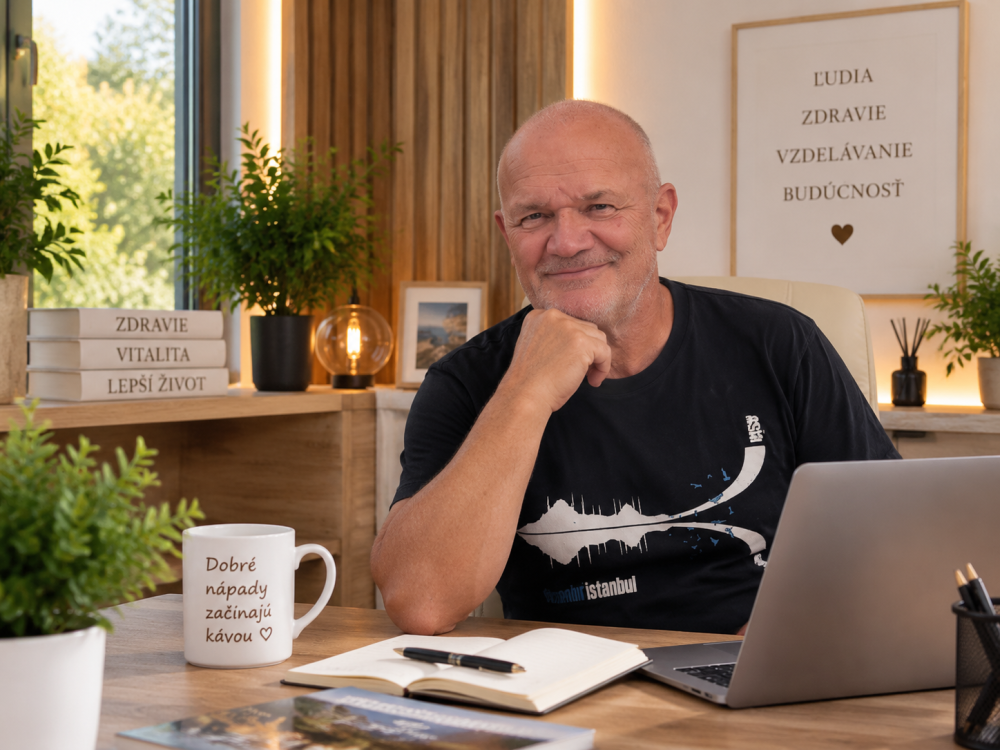
Meet the KINGRAY Academy author and learn more about his background.
Meet the author →Clear Information
We explain how the body works in an accessible way.
Health as a Whole
Explore the connections between different systems in the body.
Understand First
Understand the topic before comparing products or approaches.
MEET THE AUTHOR
Who is Ing. František Kokoš?
KINGRAY ACADEMY · CHOOSE A TOPIC
What would you like to understand better?
Select a topic to open its articles. Select it again to close it.
Heart, Brain and Blood VesselsBlood circulation, microcirculation and measurements.Articles: 15Open / close
Start with the guide or choose an individual article.
- 01Heart, Blood, and Blood Vessels: An Overview of 15 KINGRAY Academy ArticlesAn introduction to the series and the connections between the heart, blood, blood vessels and brain.
- 02Blood under the microscope: what a drop of blood can and cannot showWhat can be observed in a drop of blood and where microscopic observation reaches its limits.
- 03Blood viscosity and microcirculation: what affects blood flowHow does blood flow through the smallest vessels?
- 04Heart and circulation: how blood pressure, pulse and blood vessels are connectedHow the heart and circulation work, and how blood pressure, pulse and blood vessels are connected.
- 05Memory and concentration: brain fog, forgetfulness and circulationConnections between memory, attention, sleep, lifestyle and blood circulation.
- 06Endothelium: the living lining of blood vessels and its role in circulationWhat the endothelium is and the role of the inner lining of blood vessels in circulation.
- 07From intake to use in the body: nutrients, collagen and tissue renewalThe journey of nutrients from intake to use in the body, with connections to collagen and tissue renewal.
- 08Atherosclerosis and cholesterol: how arterial plaque formsHow atherosclerotic plaque forms and the role cholesterol plays in this process.
- 09High blood pressure: readings, symptoms and home monitoringWhat blood pressure readings mean and what to consider when measuring at home.
- 10Blood Sugar and Insulin: Glucose Levels and RegulationHow the body regulates glucose and the role of insulin in managing energy.
- 11Diet, blood and the brain: nutrients, blood vessels and scientific evidenceHow nutrients and dietary habits relate to blood, blood vessels and brain function.
- 12Alzheimer’s disease: symptoms, diagnosis and links with vascular healthAn overview of symptoms, diagnosis and research into the vascular connections of Alzheimer’s disease.
- 13Laser blood irradiation: ILIB, VPBM and the limits of evidenceHow do invasive and non-invasive procedures differ?
- 14Cells and photobiomodulation: endothelial cells, blood cells and researchHow do endothelial cells and blood cells respond to light?
- 15Blood pressure, ECG and HRV measurements: what the results showWhat blood pressure, ECG and HRV measurements show and why results need to be considered in context.
Longevity and Biological AgeBiohacking, cellular ageing and longevity research.Articles: 12Open / close
Start with the guide or choose an individual article.
- 01How to Lower Your Biological Age? What Epigenetic Tests and Scientific Studies RevealWhat biological age tests and epigenetic clocks estimate, and the limits of interpreting their results.
- 02Why Do We Age? Cellular Ageing and Longevity ResearchHow changes in DNA, cellular senescence, recycling and other ageing processes are connected.
- 03Mitochondria and Ageing — What Science Is Exploring About Cellular Energy and LongevityHow mitochondria produce cellular energy and what researchers investigate about their renewal and ageing.
- 04NAD+, NMN and NR — What Is the Difference and What Does Longevity Research Show?The differences between NAD+, NMN and NR and what human studies have found.
- 05Autophagy and Longevity — How Cells Recycle Their Components and What Science Is ExploringHow cellular recycling works and what we know about links between autophagy, fasting, sleep and longevity research.
- 06Senescent Cells and Senolytics: What Science Is Exploring About Cellular AgeingWhat senescent cells are, why they arise and the possibilities and limitations of senolytic research.
- 07Telomeres and Telomerase: What They Tell Us About Ageing and LongevityThe roles of telomeres and telomerase and why telomere length alone does not explain the whole ageing process.
- 08Epigenetic Reprogramming: What Science Is Investigating About Cellular RejuvenationWhat epigenetic reprogramming of cells means and which questions about safety and benefit research still needs to resolve.
- 09Chronic Inflammation and Ageing: What Does Inflammaging Mean?How chronic inflammation is connected to ageing and what its laboratory markers can and cannot tell us.
- 10Nutrition and Longevity: Calorie Restriction, Fasting and Human ResearchWhat studies investigate about nutrition, calorie restriction and fasting, and the limits of applying their findings in everyday life.
- 11Physical Activity, Muscle and Longevity: Why Fitness and Strength Are StudiedWhy researchers study fitness and muscle strength in relation to health, independence and longevity.
- 12Predictors of longevity: what to measure and which values to monitorWhich home measurements and blood markers are used to assess health and why they need to be interpreted in context.
Weight Management, Hunger and MetabolismGLP-1, satiety, diet and long-term weight maintenance.Articles: 15Open / close
Start with the guide or choose an individual article.
- 01Hunger and Satiety: How GLP‑1, GIP, Ghrelin, Leptin and Insulin Work TogetherWhat happens in your body when you get hungry or eat a meal?
- 02Diet and GLP‑1: What Studies Show About Protein and FibreCan meal composition influence the response of gut hormones?
- 03The Gut Microbiome and GLP‑1 — The Role of Fibre and Short-Chain Fatty AcidsGut microorganisms do more than process food residues.
- 04Berberine and GLP‑1: What Studies Show and What We Still Don’t KnowWhy does berberine feature in research on gut hormones?
- 05Chromium and L‑Carnitine — Their Role in Metabolism and What We Know About Weight RegulationChromium and L‑carnitine often feature in discussions about metabolism and body weight.
- 06Natural GLP‑1 and Medicines: Why Their Effects Are Not the SameGLP‑1 is a hormone naturally produced by the body.
- 07Sleep, Stress and Hunger — What Influences Appetite and Weight RegulationEating after a short night's sleep or a demanding day may differ from eating during a calmer period.
- 08Exercise, Muscle and Metabolism: Aerobic and Strength TrainingWalking, cycling and strength training provide different stimuli for the body.
- 09Insulin Resistance and Blood Glucose — What They Mean and How They Are TestedBlood glucose levels and insulin sensitivity are related, but they are not the same thing.
- 10Gymnema, Green Tea and Garcinia: What Research Shows About Weight Management.Changes in sweet taste perception, short-term metabolic responses and long-term weight loss are different outcomes.
- 11Weight Loss After 40: Muscle, Hormonal Changes and Energy Needs.Turning forty does not mean your metabolism suddenly stops working properly.
- 12Why Weight Returns: The Body’s Adaptations and Maintaining Results.Maintaining a lower weight can be more challenging than losing it.
- 13Emotional eating and weight loss – why do we eat when we’re not hungry?Recognise emotional eating and understand what may trigger it.
- 14Biohacking for Weight Loss – What Studies ShowSee which weight-loss habits research supports and where evidence is limited.
- 15Why Can't I Lose Weight? Hormones, Metabolism and Medical TestsExplore what may affect changes in weight and when to speak to a healthcare professional.
Cells, Mitochondria and MetabolismCellular energy, metabolism and biological processes.Articles: 16Open / close
Start with the guide or choose an individual article.
- 01Mitochondria and Cellular EnergyWhat mitochondria are, how ATP is produced and how the body converts energy from nutrients into energy cells can use.
- 02Glycation and Cellular ProcessesWhat glycation means, how AGEs form and why they are studied in relation to tissue function and ageing.
- 03Chronic Inflammation and Oxidative StressHow inflammation and oxidative stress interact, and why their context, intensity and duration matter.
- 04The Liver, Insulin and Nutrient MetabolismThe liver’s role in processing sugars and fats, storing energy and regulating metabolism through insulin.
- 05Fatty Liver (MASLD) and Metabolic HealthWhat MASLD means, its connections with metabolic health and why an absence of symptoms does not rule out disease.
- 06Cell Membranes and Substance TransportWhat makes up a cell membrane and how channels, transporters and pumps control the movement of substances across it.
- 07Epigenetics and DNA MethylationHow gene activity is regulated without changing the DNA sequence, and what epigenetic measurements can and cannot tell us.
- 08Autophagy: Cellular Recycling, Fasting and Links to CancerHow cells break down and reuse their components.
- 09Apoptosis and Cancer: How the Body Removes Damaged CellsHow programmed cell death works, the role of mitochondria and how cancer cells can evade these mechanisms.
- 10Ketosis and the Ketogenic Diet: How the Body Uses Fats and KetonesThe roles of fats, the liver and ketones, the difference between ketosis and ketoacidosis, and the limits of ketogenic diet research.
- 11Intermittent Fasting and Metabolism: What Happens in the Body and What Science Is StudyingWhat happens during fasting and what studies show about meal timing, body weight and autophagy, including risks and uncertainties.
- 12Trans Fats and Processed Foods: What to Limit and WhyWhich foods to limit and why processed foods cannot all be assessed in the same way.
- 13Physical Activity Before and After Meals: Energy, Blood Sugar and TimingActivity timing in relation to meals, cellular energy and blood glucose monitoring.
- 14Cells and photobiomodulation: endothelial cells, blood cells and researchHow do endothelial cells and blood cells respond to light?
- 15Cancer Cell Metabolism: The Warburg Effect, Seyfried’s Hypothesis and Scientific EvidenceThe Warburg effect, Seyfried’s hypothesis and the distinction between a mechanism and clinical evidence.
- 16Cancer Prevention: What Reduces Risk and What We Know About MitochondriaLifestyle, vaccination, screening and what mitochondrial research can tell us.
Laser blood irradiation and photobiomodulationIntranasal application, light dose and research into blood, brain function and other areas of health.Articles: 8Open / close
Start with the guide or choose an individual article.
- 01Intranasal photobiomodulation: principles and researchHow nasal application works, what studies show about rhinitis, blood markers and brain function, and how to assess safety.
- 02Photobiomodulation: wavelength, power and timeWavelength, power, area, time and pulsing: understand why there is no universal exposure time.
- 03High blood pressure and microcirculation: what does PBM research show?Explore microcirculation, study findings and why light research does not replace blood pressure treatment.
- 04Light and cholesterol: what does blood lipid research show?What LDL, HDL and triglyceride studies measured, and why changed blood results do not mean cleared arteries.
- 05Light, mitochondria and brain energy: what does research show?ATP, oxygenation and cell signalling: what studies measure and what they do not prove.
- 06Memory, dementia and photobiomodulation: can light help?Explore memory studies, positive and negative findings, and differences between application methods.
- 07Brain rhythms and 40 Hz: can light and sound help memory?Compare light and sound stimulation with pulsed photobiomodulation and understand the limits of the evidence.
- 08Light and eye health: what does photobiomodulation research show?Explore retinal studies, eye pressure and the difference between eye treatments and intranasal application.
CollagenTypes, tissues and scientific research.Articles: 8Open / close
Start with the guide or choose an individual article.
- 01What Is Collagen and What Role Does It Play in the Body?What collagen is, where it is found and how the body’s own production involves amino acids and vitamin C.
- 02Collagen: What Types Are There and How to Choose Between Marine and Bovine Collagen?How to distinguish marine and bovine sources, types I, II and III, and processing collagen into smaller peptides.
- 03Collagen and joints: why do they hurt and what can we influence?How joints work, what may contribute to pain and why movement and muscle strength also matter in joint care.
- 04Collagen for Skin: Types & Product Comparison | KingrayWhat studies show about collagen and skin, and why a measured change does not guarantee the removal of wrinkles.
- 05Collagen and Blood Vessels: Vessel Walls, Endothelium and ElasticityWhere collagen fits into the blood vessel wall and how its role differs from the functions of the endothelium and elastin.
- 06Collagen and the Digestive System: Connective Tissues and the Intestinal WallHow collagen relates to connective tissues in the digestive system and why this alone does not establish the effects of supplements.
- 07Collagen in Internal Organs: Tissue Support and RenewalHow collagen supports internal organs and why normal tissue renewal should be distinguished from fibrosis.
- 08Two clinical studies of the CollaSel PRO peptide: what did they investigate?What two clinical studies of the CollaSel PRO peptide investigated and why their findings cannot automatically be applied to every formulation.
Digestion and Gut HealthThe microbiome, intestinal barrier and nutrition.Articles: 7Open / close
Start with the guide or choose an individual article.
- 01Guide to Digestion and the Gut MicrobiomeAn introductory guide to digestion, the microbiome, common symptoms and warning signs that need medical attention.
- 02Gut Microbiome: 10 Everyday Habits for Gut HealthTen everyday habits explore the connections between diet, fibre, activity, sleep and the gut environment.
- 03Bacterial Cultures and Microencapsulation: What Do Scientific Studies Investigate?How to read strain names, CFU counts and study results, and distinguish microencapsulation from a demonstrated effect.
- 04Digestive Enzymes, Betaine HCl and Pepsin: How Do They Work and What Does the EU Allow?Key terms relating to digestion and why betaine HCl is not an enzyme.
- 05SIBO, SIFO and IBS: Symptoms, Diagnosis and Treatment OptionsA comparison of SIBO, SIFO and IBS explains similar symptoms, differences in diagnosis and options for professional assessment.
- 06Candida and Candidiasis: Symptoms, Diagnosis, Treatment and How SIFO DiffersHow to distinguish the normal presence of Candida from infection, and why candidiasis and SIFO describe different situations.
- 07Gluten and Coeliac Disease: Symptoms, Testing and a Gluten-Free DietWhat coeliac disease is, how it is investigated and why to consult a doctor before removing gluten if coeliac disease is suspected.
Skin and SkincareSkin, hydration and cosmetic ingredients.Articles: 7Open / close
Start with the guide or choose an individual article.
- 01Guide to Skin, Hair and Nail CareThe introductory guide explains changes in skin, hair and nails, the role of nutrition, the biotin precaution and when a professional assessment may be appropriate.
- 02How Skin Ages: Causes and Skincare at Every AgeAn overview of natural skin ageing explores UV exposure, hydration and care according to age and skin needs.
- 03What Is Retinol? Effects on the Skin and How to Use ItThe article explains how retinol in cosmetics differs from other forms of vitamin A, how it is used and the possibility of skin irritation.
- 04What Is Hyaluronic Acid? Hydration Inside and OutThe differences between moisturising cosmetics, dietary supplements and injectable fillers help explain the various uses of hyaluronic acid.
- 05What Is Elastin? Skin Elasticity and How It Differs from CollagenAn overview of elastin and elastic fibres explains skin elasticity and the different roles of elastin and collagen.
- 06Vitamins for Skin: C, A, E and Omega‑3 | KingrayThe article compares the roles of vitamins C, A and E and omega-3, food sources, cosmetics and supplement safety.
- 07How to Rejuvenate Your Skin: 8 Things That Matter More Than WrinklesEight topics, from the eye area to the overall appearance of the face, explain why a fresh-looking complexion involves more than wrinkles.
Health Conditions and SymptomsFatigue, sleep, mental wellbeing and health connections.Articles: 14Open / close
Start with the guide or choose an individual article.
- 01Energy and less fatigue: why do we lack energy, and what can be done about it?This article explores fatigue alongside sleep, nutrition, activity and cellular energy, including when to discuss possible causes with a clinician.
- 02Better Sleep: Why Don’t We Sleep Well and How Can We Support Quality Recovery?The sleep overview examines regular routines, light, caffeine, stress and everyday habits related to recovery.
- 03Stress and its effects on the body: signs of chronic stress and ways to manage itThis article explains short-term and chronic stress, their signs and ways to manage ongoing demands.
- 04Anxiety and Depression: Symptoms, Differences, Causes and Support OptionsThe overview explains symptoms of anxiety and depression, how they overlap and options for professional help.
- 05Inflammation and Mental Health: What We Know About Links to Depression and AnxietyThis article examines links between inflammation and mental health and explains the difference between an observed association and a cause.
- 06Why Do We Keep Getting Ill? A Practical GuideThis practical overview helps readers track recurring infections, prepare for a consultation and reduce transmission.
- 07Flu: Symptoms, Treatment and Prevention – Why the First 48 Hours MatterThis article explains flu symptoms, prevention, the importance of timely treatment and warning signs.
- 08Lyme disease: symptoms, diagnosis, treatment and what to watch for after a tick biteThe Lyme disease overview covers symptoms after a tick bite, diagnostic options and reasons to seek medical assessment.
- 09Long COVID: Symptoms, Diagnosis and How Long It Can LastThis article explains persistent symptoms after COVID-19, diagnosis, possible duration and worsening after exertion.
- 10ADHD in Children: Symptoms, Diagnosis, Treatment, Exercise and NutritionThe childhood ADHD overview explains symptoms, professional assessment, treatment and support at home and school.
- 11CRP Levels: What They Mean and What They Cannot Tell YouThis article explains CRP and hs-CRP, raised results and the limits of interpreting a laboratory value on its own.
- 12Uric Acid and Gout: Causes of High Levels, Symptoms and HyperuricemiaThe overview distinguishes high uric acid from gout and discusses symptoms, tests and related factors.
- 13Pregnancy and Fetal Development from a Different Perspective: Why Do Conditions Matter?This additional topic explores nutrition, rest and antenatal care during pregnancy without pressure to be perfect.
- 14Red and Infrared Light for Pneumonia: What Photobiomodulation Studies ShowThis research article examines photobiomodulation studies in pneumonia and the limits of applying their findings in practice.
Nutrition and KetoFoods, dietary approaches and the ketogenic diet.2 articlesOpen / close
For ketosis and intermittent fasting, see Cells, Mitochondria and Metabolism.
- 01Maltodextrin: what is it, where is it used and is it harmful?
- 02Budwig Diet: Quark, Flaxseed Oil, Research and Risks
Compounds, Herbs and Traditional SystemsPolyphenols, mushrooms, Chinese medicine and scientific research.Articles: 8Open / close
Start with the guide or choose an individual article.
- 01Maltodextrin: what is it, where is it used and is it harmful?Food uses, the relationship with blood glucose and the information to look for on a label.
- 02Polyphenols: What They Are, Where They Are Found and Which Foods Contain ThemPlant compounds in everyday foods and the difference between a food and a concentrated extract.
- 03What is glutathione? Composition, forms and S-acetyl-L-glutathioneThe terms GSH and GSSG, S-acetyl-L-glutathione and the limits of conclusions drawn from studies.
- 04NMN and NAD+: What Is Nicotinamide Mononucleotide and What Is Its EU Regulatory Status?What NMN and NAD+ mean, how they are related and where to find information about regulatory status.
- 05Nattokinase and vitamin K2: differences, FU and safetyThe difference between an enzyme and a vitamin, the meaning of FU units and safety questions.
- 06Digestive Enzymes, Betaine HCl and Pepsin: How Do They Work and What Does the EU Allow?Key terms relating to digestion and why betaine HCl is not an enzyme.
- 07Artemisinin: discovery, Tu Youyou and Project 523Tu Youyou, Project 523 and the journey from studying a plant to identifying a specific compound.
- 08Artemisinin and Artemisia annua: differences, labels and researchHow to distinguish a plant, a powder, an extract and an isolated compound when reading labels and studies.
Further related reading
- Reishi, Cordyceps, Lion’s Mane and Chaga: How to Choose a Mushroom ExtractWhen choosing a mushroom supplement, compare the label information: the exact species, the part used, the ingredient form, the amount per daily serving and documented analyses.
- Acupuncture: What It Is, Effects and RisksWhat happens during acupuncture, and can it cause harm?
- Traditional Chinese Medicine: What Can It Offer and What Are Its Limits?What can traditional Chinese medicine offer, and what are its limits?
Know your body. Start with your heart.
Why start with the heart? The heart does more than pump blood around the body. Stress and emotions also affect how it works. Caring for your heart therefore includes regular movement and a balanced diet, as well as enough sleep, rest and mental wellbeing.
Looking for help choosing a product?
Product comparisons and personalised shopping guidance belong in the separate KINGRAY Advice Corner.
Visit the Advice Corner →Article author: Ing. František Kokoš · Menu updated: