

 Slovensky (EUR)
 Česky (CZK)
 Magyar (HUF)
 Slovenščina (EUR)
 Deutsch (EUR)


02. Polyphenols: What They Are, Where They Are Found and Which Foods Contain Them

Polyphenols: what does this shared name cover?
Food labels and articles often mention polyphenols, flavonoids, catechins or anthocyanins. These are not names for a single product or one universally effective ingredient. This overview helps distinguish a food’s composition, the result of a laboratory test and findings from studies in people.
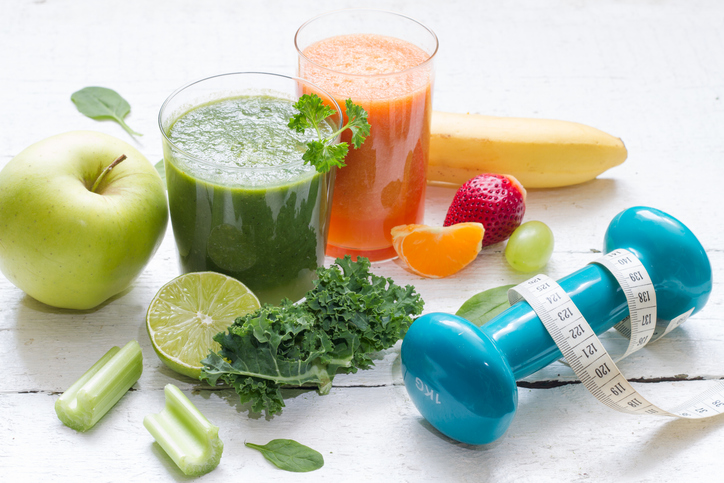
1. What are polyphenols, and what are their main groups?
Polyphenols include chemically diverse plant compounds. Their main groups include flavonoids, phenolic acids, stilbenes and lignans. Flavonoids are therefore one group within polyphenols, rather than a complete synonym for them. [1]
A food usually contains a mixture of compounds. Their content can vary with the variety, growing conditions, storage and processing. A database value may therefore not describe every apple, cup of tea or packet of cocoa exactly. [1]
2. Which foods contain polyphenols?
Sources include fruit, vegetables, tea, cocoa, olives, some nuts, seeds, herbs and spices. Each group, however, provides a different mix of compounds. [2] [3]
| Food or group | Example or relevant context |
|---|---|
| Blueberries, blackberries and other berries | Anthocyanins and other phenolic compounds. [2] [3] |
| Onions and apples | Various flavonoids; quercetin in onions is a familiar example. [3] |
| Tea | Catechins; EGCG is one of the catechins in green tea. [3] [6] |
| Cocoa and cocoa products | Sources of flavanols. A particular extract used in a study is not the same as ordinary chocolate. [2] [5] |
| Olives, flaxseeds and some nuts | Other food sources with different polyphenol profiles. [2] |
| Herbs and spices | They may have high values per 100 g, but we usually use them in small amounts. [2] |
Variety matters in the diet: include different fruits, vegetables, pulses and wholegrain foods, as well as nuts and seeds according to individual tolerance. This approach is consistent with broader dietary guidance; it is not simply about seeking the highest possible number for one substance. [8]
3. Which foods have the most polyphenols? Serving size matters too
A high content per 100 g is not the same as a high intake from a usual serving. An analysis of the Phenol-Explorer database therefore also compared amounts in typical servings. A spice and a fruit may rank differently on this basis than in a table expressed per 100 g. [2]
- What was measured? One specific compound, the sum of individual polyphenols or the result of a screening chemical test?
- What quantity does the value refer to? 100 g, 100 ml, one serving or the whole pack?
- Was the measurement method the same? Results from different analytical methods may not be directly comparable. [1] [2]
The statement “more polyphenols” alone therefore does not establish that a food or extract will provide a greater health benefit.
4. Polyphenols and antioxidants: what is the difference?
Polyphenol identifies a group of compounds; antioxidant activity describes behaviour under particular conditions. Not all antioxidants are polyphenols. Other familiar examples include vitamins C and E. [7]
The ability to react in a chemical test does not, by itself, prove that a food or capsule prevents disease. In the human body, the availability of compounds, their transformation, the amount and the wider biological environment also matter. Findings for foods and isolated substances may therefore differ. [4] [7]
5. After eating: absorption and changes in the gut
A compound in food may not remain in its original form in the body. Metabolism produces other compounds, known as metabolites. In a study involving eight men, researchers tracked isotope-labelled cyanidin-3-glucoside, an anthocyanin, and identified several products of its transformation over 48 hours. The finding describes the fate of this particular compound; it does not mean that all polyphenols are absorbed in the same way. [4]
Gut microorganisms can also contribute to these transformations. A laboratory experiment using human gut microbiota showed the breakdown of selected anthocyanins into smaller phenolic compounds. This was an experiment outside the human body, not clinical evidence of a treatment for digestive problems. [9]
Put simply: The amount in a food and the amount of unchanged compound in the blood are not the same measurement. Transformation by gut bacteria alone also does not mean that a product “restores the microbiome”.
6. A food and a concentrated extract are not interchangeable
An ordinary food
Contains a mixture of compounds within a particular food structure. Comparisons also need to consider other nutrients and serving size.
A concentrated extract
May have different proportions of compounds, a different concentration and a different way of being taken. Assessment concerns its specific composition and amount.
EFSA’s assessment of green tea illustrates this distinction. It assessed traditionally prepared infusions and concentrated extracts differently. Clinical studies found increased liver enzyme levels at high doses of EGCG from supplements; the available evidence did not allow a generally safe dose of EGCG from extracts to be established. [6]
This does not justify treating ordinary plant foods as equivalent to a high dose of an extract. Equally, a higher concentration does not automatically mean a greater benefit. If you take medicines or have a medical condition, discuss a specific concentrated preparation with a doctor or pharmacist. [6] [7]
7. What do studies show, and how should we read them?
When reading a scientific report, note the exact compound or extract, the amount studied, the number of participants, the follow-up period and the primary outcome. Observing an association in the diet and comparing a preparation with a placebo answer different questions.
Example: cocoa flavanols in the COSMOS trial
The randomised trial included 21,442 older adults and compared a specific cocoa extract with a placebo. Median follow-up was 3.6 years. [5]
- Primary outcome: the reduction in the combined incidence of cardiovascular events was not statistically significant.
- Secondary outcome: cardiovascular deaths showed a 27% lower relative risk; this result was statistically significant. [5]
The authors considered the findings a reason for further research. This was not a trial of ordinary chocolate or evidence that all polyphenols have the same effect. An account of the study needs to retain both the primary and secondary findings. [5]
An interesting mechanism or a favourable change in one marker can justify continuing the research. Expectations of a specific health benefit, however, must reflect what the study actually tested.
8. Frequently asked questions about polyphenols
Are polyphenols and flavonoids the same?
Not entirely. Flavonoids are one of the main groups of polyphenols. They include flavonols and anthocyanins, for example. [1] [3]
Which food is the best source of polyphenols?
There is no universal winner without specifying the compounds, measurement method and serving size. A food with a high content per 100 g may not provide the most in the amount we actually eat. [2]
Are all polyphenols antioxidants with the same effect?
No. Their properties and transformations in the body differ. An antioxidant result in a chemical test cannot be equated with a demonstrated health benefit in a person. [4] [7]
Is an extract better than a food?
That general conclusion is not justified. The specific composition, amount, outcome studied and safety matter. Findings for one extract do not automatically apply to another preparation. [5] [6]
Do I need to drink red wine for polyphenols?
No. Many of the sources listed in this article are non-alcoholic foods. Alcohol is therefore not necessary to include polyphenol-containing foods in your diet. [2] [3]
Can a polyphenol capsule replace a varied diet?
These approaches are not interchangeable. A varied diet provides different nutrients and other food components; its value cannot be reduced to a single number for polyphenols. [7] [8]
Practical questions when comparing products
Our Advice Corner provides separate guides to choosing and comparing products. This Academy article explains polyphenols, their food sources and the research.
Visit the KINGRAY Advice Corner →Scientific sources and further reading
- Neveu V et al. (2010): Phenol-Explorer – a database of polyphenol content in foods.
Original database paper: groups of compounds, food composition data and variability in composition. DOI: 10.1093/database/bap024.
- Pérez-Jiménez J et al. (2010): Identification of the 100 richest dietary sources of polyphenols.
Analysis of food sources, comparisons per 100 g and per serving, and differences between analytical methods. DOI: 10.1038/ejcn.2010.221.
- USDA Agricultural Research Service: food sources of flavonoids.
An explanation of the database and examples of anthocyanin pigments, catechins and quercetin in foods. This article uses it as a source of composition data, not as evidence of disease prevention.
- Czank C et al. (2013): human metabolism of cyanidin-3-glucoside using an isotope tracer.
Original study involving eight men and sample collection over 48 hours. It followed the absorption and transformation of a specific anthocyanin, not a therapeutic effect. DOI: 10.3945/ajcn.112.049247.
- Sesso HD et al. (2022): cocoa flavanols and cardiovascular events – the randomised COSMOS trial.
21,442 participants and median follow-up of 3.6 years. Distinguishes the primary combined outcome from the secondary mortality finding. A study of a specific extract, not ordinary chocolate.
- EFSA (2018): safety assessment of green tea catechins.
Official explanation of the distinction between traditionally prepared tea and concentrated preparations. Scientific opinion: DOI 10.2903/j.efsa.2018.5239.
- NIH / NCCIH: Antioxidant Supplements – What You Need To Know.
Differences between antioxidants, diet and isolated substances. A general expert overview; its findings cannot automatically be attributed to every individual polyphenol.
- World Health Organization: Healthy diet.
Guidance on a varied, balanced diet, supporting the practical discussion of foods. It does not establish a therapeutic dose of polyphenols.
- Aura A-M et al. (2005): In vitro metabolism of anthocyanins by human gut microflora.
Laboratory experiment using human gut microbiota. It demonstrates the transformation of selected compounds in a model, not a clinical effect in patients. DOI: 10.1007/s00394-004-0502-2.
This text is educational and does not provide individual treatment advice. Discuss a specific health concern or the use of a concentrated preparation alongside treatment with an appropriate healthcare professional.
↑ Article contents↑ Back to the top← 01 · Maltodextrin← KINGRAY Academy