

 Slovensky (EUR)
 Česky (CZK)
 Magyar (HUF)
Diet, blood and the brain: nutrients, blood vessels and scientific evidence
Diet, blood and the brain: nutrients, blood vessels and scientific evidence
Diet relates to brain health through nutrient supply, glucose regulation and blood vessel health. After digestion, nutrients are absorbed and the circulation distributes them to tissues; some fats reach the circulation through the lymphatic system.
We explain the journey of nutrients after a meal, links with blood pressure and cholesterol, and research on Mediterranean eating and the MIND diet. We distinguish observed associations from demonstrated effects and explain the limits of interpreting brain SPECT scans.
01 · How can diet affect the brain?
The brain needs blood
Blood pressure, atherosclerosis, diabetes and smoking can affect blood flow and the brain’s vascular health.
Glucose and energy
Brain cells need energy, but long-term metabolic disorders can be harmful.
The overall pattern matters
Most evidence concerns overall dietary patterns rather than a single “miracle” food.
Functional imaging
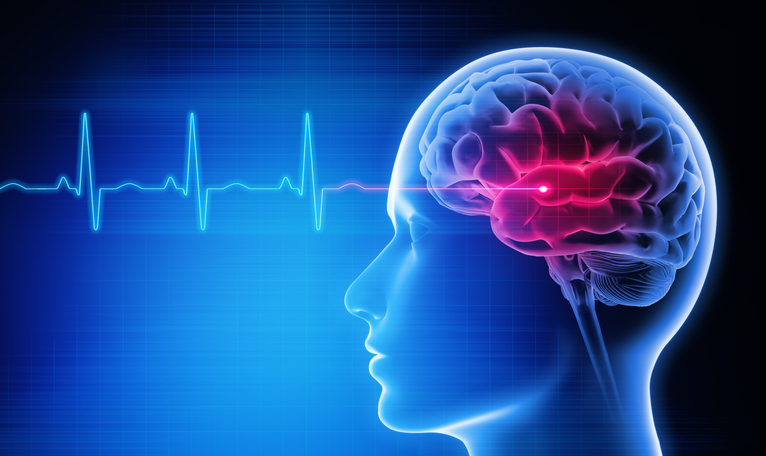
SPECT can show the distribution of blood flow, but a single brain image does not establish a psychiatric diagnosis.
The relationship between diet and the brain is about more than whether a food contains a “memory vitamin”. Nutrition can affect several systems:
- glucose levels and insulin sensitivity,
- blood pressure,
- cholesterol and triglycerides,
- body weight,
- vascular endothelial function,
- inflammatory and oxidative processes,
- the gut microbiome,
- the intake of vitamins, minerals and essential fatty acids.
These factors can, in turn, affect the vascular and metabolic environment in which the brain functions.
What happens to nutrients after a meal?
Most nutrients are absorbed in the small intestine. Blood and lymph transport them further; the liver processes, stores and releases many of them according to the body’s needs.
This is a simplified overview. The processing of collagen and other substances is explained in more detail in Collagen, hyaluronic acid, elastin and MSM.
02 · What does brain SPECT show, and how does Daniel Amen use it?
American psychiatrist Daniel Amen, M.D. has published work on the use of SPECT in complex psychiatric cases. When reading it, distinguish proposed clinical uses from evidence of diagnostic accuracy or improved treatment outcomes.
SPECT – single photon emission computed tomography – uses a radiolabelled substance. In brain perfusion SPECT, its distribution provides information about regional blood flow. This is indirect information related to brain function, rather than a direct image of thoughts or a measurement of every brain function.
Amen and his colleagues argue that SPECT may provide additional information in some complex neuropsychiatric cases, for example by highlighting:
- areas with reduced or increased blood flow,
- the consequences of brain damage,
- possible effects of an injury,
- certain unusual functional patterns,
- the need for further neurological assessment or structural imaging.
In a published series of 109 complex psychiatric patients, the authors revised diagnostic or treatment considerations after reviewing SPECT results. This series alone does not establish diagnostic accuracy or treatment effectiveness: it was not a randomised comparison with care without SPECT.
A SPECT scan cannot reliably establish that “this image means ADHD”, “this is depression” or “this part of the brain proves a specific psychiatric diagnosis”.
The American Psychiatric Association’s resource document on neuroimaging (2018) emphasises its research value and limitations in diagnosing individual patients. A SPECT scan cannot serve as a standalone confirmation of ADHD, depression or another primary psychiatric disorder. A clinician decides whether imaging is needed based on the specific clinical question.
03 · Can SPECT show what someone has eaten?
No. A single brain scan cannot determine whether someone eats a lot of sugar, lacks omega-3 or follows an unhealthy diet.
Perfusion SPECT can reveal differences in regional blood flow, but demonstrating an effect of diet requires controlled clinical trials and long-term follow-up.
04 · Alzheimer’s disease, dementia and diet
One of the most studied areas is the relationship between diet and the long-term risk of cognitive decline and dementia.
Particular attention has focused on Mediterranean dietary patterns and the MIND diet.
- leafy greens and other vegetables,
- berries,
- legumes,
- whole grains,
- nuts and seeds,
- fish,
- olive oil.
They limit excess sweets, fried and highly processed foods, large amounts of saturated fat, and red or processed meat.
Observational studies have produced promising findings, but clinical trials have not established that diet alone reliably prevents Alzheimer’s disease.
In a three-year randomised trial of the MIND diet, cognitive outcomes improved in both groups, with no significant difference between the MIND diet and a control diet with mild calorie restriction. An observed association therefore does not prove that a particular diet prevents dementia.
MIND combines elements of Mediterranean eating and DASH. The cited trial studied older people without cognitive impairment; it was not a treatment trial in patients with Alzheimer’s disease. Further connections are explored in Alzheimer’s disease and research.
05 · The brain and blood vessels: what benefits the heart often benefits the brain
Some cases of dementia and brain damage are related to blood vessels. Brain tissue depends heavily on a steady supply of blood and oxygen.
This makes factors such as the following important:
Diet can therefore support the brain indirectly by helping maintain vascular and metabolic health.
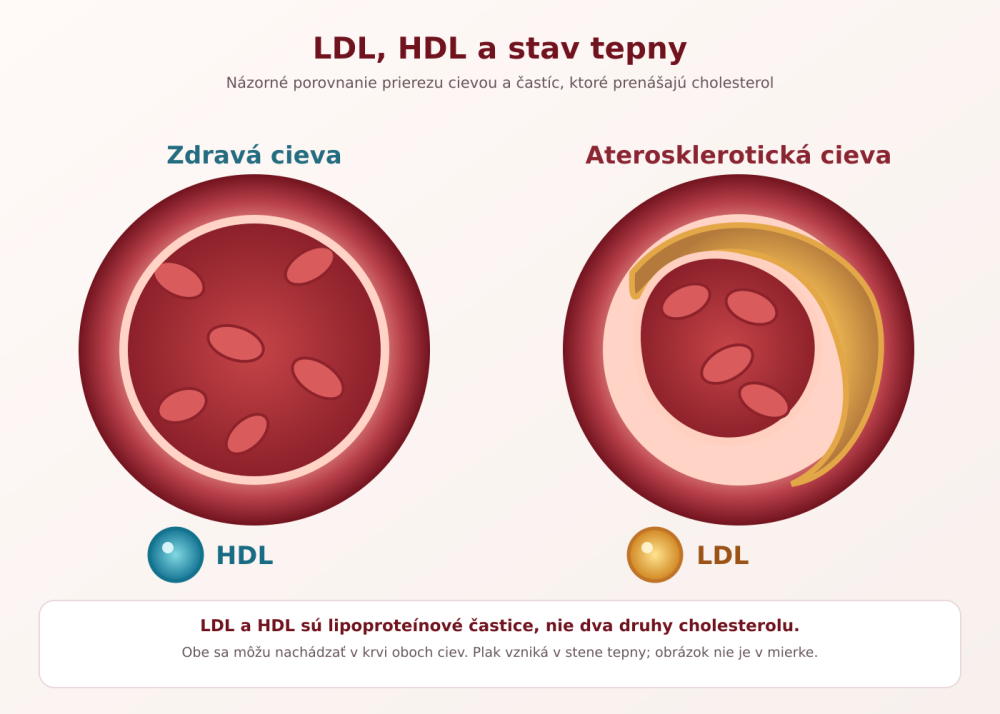
The broader context is explained in the main article Heart and blood vessels. Specific risk factors are discussed in Blood pressure and home measurement and Atherosclerosis and cholesterol.
06 · Therapeutic use: ketogenic diets in selected cases of epilepsy
Precisely prescribed dietary therapy has clinical uses in some neurological conditions. These include medically supervised ketogenic dietary therapy in selected cases of drug-resistant epilepsy. This does not mean that an ordinary “keto diet” treats brain disorders in general.
Ketogenic diets have been used for decades, particularly for certain forms of epilepsy that do not respond adequately to medication.
It is a therapeutic dietary regimen planned and monitored by a neurological and nutrition team.
07 · Omega-3 and the brain
DHA is an important fatty acid found in cell membranes in the nervous system. Omega-3 fatty acids have therefore long been studied in relation to memory and cognitive function.
Observational studies often find a favourable association between eating fish and brain health. This is not evidence that an omega-3 capsule can treat Alzheimer’s disease.
Clinical trials of omega-3 supplements have not demonstrated a convincing therapeutic effect in mild to moderate Alzheimer’s disease.
08 · The brain, blood sugar and insulin
The brain needs glucose, so it is misleading to describe sugar or carbohydrates as automatically “poison for the brain”.
On the other hand, long-term hyperglycaemia, diabetes, insulin resistance and vascular damage can create unfavourable conditions for brain tissue and peripheral nerves.
The aim is therefore to maintain healthy metabolic regulation rather than to eliminate all glucose.
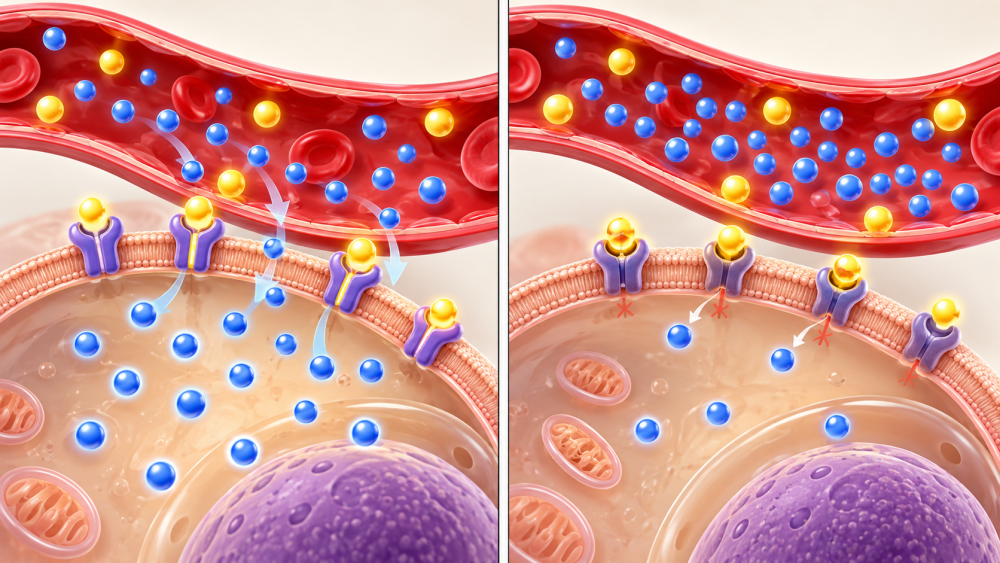
Needing glucose does not mean needing to eat added sugar: the body obtains glucose from different carbohydrates and can also produce it. Regulation is explained in Blood glucose and insulin.
09 · The gut and the brain
The brain and digestive tract communicate through nervous, hormonal, immune and metabolic pathways. This is known as the gut–brain axis.
Gut microbiome research is developing rapidly, including studies of neurodegenerative, neurodevelopmental and psychiatric conditions.
There is no evidence that an ordinary probiotic can cure Alzheimer’s disease, ADHD or depression.
10 · What should we eat for brain health?
- a wide variety of vegetables,
- appropriate portions of fruit, particularly berries,
- legumes,
- whole grains, according to individual tolerance,
- fish and other good sources of protein,
- nuts and seeds,
- olive oil and other appropriate unsaturated fats,
- enough fibre,
- adequate fluids.
It is sensible to limit:
- excess alcohol,
- sugary drinks,
- large amounts of highly processed foods,
- excess calorie intake,
- excess salt, especially with high blood pressure,
- frequent consumption of processed meat.
Adapt your diet to your health, food tolerance and any restrictions advised by a healthcare professional. Food variety and your overall long-term eating pattern matter.
11 · What about vitamins and “brain health” supplements?
Correcting a confirmed nutrient deficiency can be useful. This is different from taking high doses of supplements without a deficiency.
For vitamins, omega-3, ginkgo biloba and other supplements, evidence is insufficient to claim that they routinely prevent or treat dementia.
For new or worsening memory problems, do not delay assessment while trying supplements. Common contributing factors are explained in Memory and concentration.
12 · What should we remember?
The brain cannot be separated from the rest of the body. Its health is affected by blood vessels, blood pressure, glucose, physical activity, sleep, nutrition and other factors.
Research supports an overall healthy eating pattern rather than a single “brain superfood”. Mediterranean and MIND dietary patterns are among the most studied.
Daniel Amen’s work drew public attention to the use of SPECT to examine brain function. His scans offer an interesting view of brain function, but they should not be interpreted as standalone proof of a specific psychiatric diagnosis or of the effects of a single food.
One example of therapeutic nutrition is a medically supervised ketogenic diet in selected cases of drug-resistant epilepsy, where dietary therapy has an established clinical role.
13 · Frequently asked questions about diet and the brain
Can diet cure Alzheimer’s disease or another brain condition?
Diet is not a proven treatment for Alzheimer’s disease. It can affect vascular, metabolic and nutritional factors related to brain health. Medical ketogenic dietary therapy is used in selected cases of epilepsy under the supervision of a specialist team.
What does brain SPECT show?
Brain perfusion SPECT provides information about regional blood flow using a radiolabelled substance. This is indirect information related to brain function. One image alone does not establish a primary psychiatric diagnosis or an effect of diet.
Can SPECT show what someone has eaten?
No. A single brain scan cannot determine whether someone eats a lot of sugar, lacks omega-3 or follows a particular diet.
Is the MIND diet a treatment for Alzheimer’s disease?
No. MIND and Mediterranean eating patterns are being studied, but diet alone is not a proven treatment for Alzheimer’s disease.
When is a ketogenic diet used as therapy?
Medical ketogenic dietary therapy has an established role in selected cases of drug-resistant epilepsy. It is a therapeutic regimen planned and monitored by a specialist team.
Do omega-3 or probiotics treat brain conditions?
It is not justified to claim generally that ordinary omega-3 supplements or probiotics treat Alzheimer’s disease, ADHD, depression or other brain conditions.
How do nutrients from food enter the blood?
After digestion, most nutrients are absorbed in the small intestine. Simple sugars and amino acids enter the blood; the lymphatic system plays a role in transporting some fats. Nutrients are then processed and distributed to tissues.
Does an improved brain scan prove an effect of a particular meal?
No. A difference between two scans does not by itself establish that diet caused it. Assessing an effect requires appropriately designed studies, comparisons between groups and clinically meaningful outcomes.
14 · Sources and further reading
- [1] WHO – Risk reduction of cognitive decline and dementia, second edition (2026).
- [2] NIH / NIA – Diet and prevention of Alzheimer’s disease: an overview of the evidence.
- [3] Barnes et al. (2023) – Trial of the MIND Diet for Prevention of Cognitive Decline in Older Persons.
- [4] American Psychiatric Association – Neuroimaging (2018).
- [5] Amen et al. (2012) – Specific ways brain SPECT imaging enhances clinical psychiatric practice; a series of 109 patients.
- [6] International League Against Epilepsy – Ketogenic Diet Therapies.
- [7] NIDDK – Your Digestive System & How it Works.
- [8] WHO – Healthy diet.
- [9] NIH / NCCIH – Dietary Supplements for Cognitive Function, Dementia, and Alzheimer’s Disease.
← Previous article · Blood sugar and insulin
Educational information: This article does not replace an individual medical assessment, diagnosis or treatment. Discuss health concerns and significant memory changes with a clinician. Do not change or stop prescribed treatment based on this article.