

 Slovensky (EUR)
 Česky (CZK)
 Magyar (HUF)
 Slovenščina (EUR)
 Deutsch (EUR)
Gut Microbiome: 10 Everyday Habits for Gut Health
Gut Microbiome: 10 Everyday Habits for Gut Health
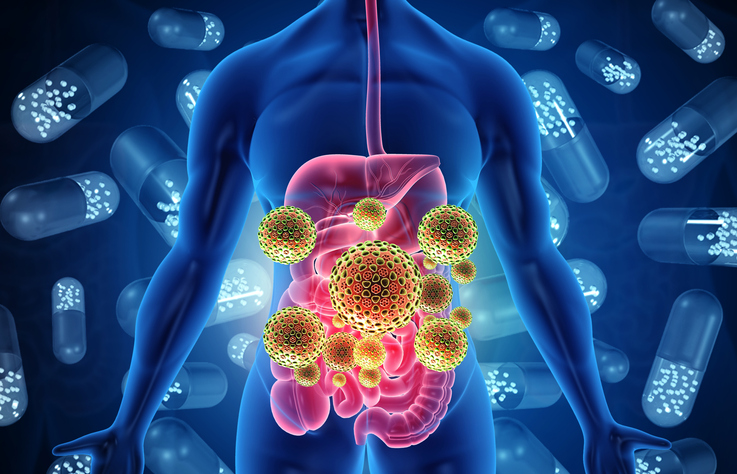
Do you think a healthy microbiome is mainly about taking probiotics? The gut microbiome is much more complex. It includes bacteria, viruses, fungi and other microorganisms that form a dynamic ecosystem within our bodies.
The microbiome naturally differs from person to person and changes with diet, age, medication, stress, sleep, physical activity and health status. There is no single, universally “perfect microbiome”. What matters more is its stability, function and the environment in which gut microorganisms live.
Food for gut bacteria
Some dietary fibre reaches the large intestine, where gut microorganisms can use it.
Different foods
A varied diet provides the microbiome with different types of fibre and plant compounds.
It is not just about food
Physical activity, sleep and stress also influence digestion and the gut environment.
No universal capsule
Effects depend on the specific strain, dose and reason for use.
1. Eat a varied diet
One straightforward way to support your microbiome is to regularly include a variety of plant foods. Different foods provide different types of fibre, polyphenols and other compounds.
- vegetables of different colours,
- fruit in appropriate portions,
- beans, lentils and other pulses,
- whole grains,
- nuts and seeds,
- herbs and spices,
- fermented foods, according to tolerance.
You do not need to change your entire diet in a day. Gradually introducing different plant foods and maintaining variety over time is a more practical approach.
2. Increase fibre gradually
Some fibre is not digested in the small intestine and reaches the large intestine. Microorganisms can ferment it there, producing short-chain fatty acids — SCFAs.
These include acetate, propionate and butyrate. The amounts produced depend on the type of fibre and the composition of the gut microbiota. This biological process alone does not establish that a particular disease can be treated.
beans and lentils, oats, wholegrain foods, vegetables, fruit, nuts and seeds. Cooled potatoes or rice may contain more resistant starch; the effects also depend on preparation and the amount eaten.
Cool cooked side dishes promptly and store them in the fridge; do not leave them at room temperature for long periods.
If your fibre intake has been low, a sudden large increase may cause bloating, gas or cramps. Add fibre gradually and maintain an appropriate fluid intake.
If you have a bowel condition or have been advised to restrict fluids because of heart or kidney disease, follow your clinician’s advice when making changes.
3. Include fermented foods
Fermented foods are produced through the activity of microorganisms. They may contain live cultures or compounds produced during fermentation.
Familiar examples include: plain yoghurt with live cultures, kefir, sauerkraut, kimchi, tempeh and some fermented vegetables.
Some products are pasteurised or heat-treated after fermentation, so they may no longer contain live microorganisms.
The presence of live cultures alone is also not enough to classify a food as probiotic. A health benefit from specific microorganisms consumed in adequate amounts needs to be demonstrated.
Fermented foods may not suit everyone, for example people with certain food intolerances or individual digestive symptoms.
4. Limit excessive reliance on highly processed foods
One sweet treat or fast-food meal will not “destroy” your microbiome. Your long-term eating pattern matters more.
Problems can arise when most of the diet consists of energy-dense foods that provide little fibre.
sugary drinks, sweets, sweet pastries, processed meats, instant meals, fried foods, fast food and alcohol.
Rather than imposing absolute bans, gradually replace some of these foods with vegetables, pulses, wholegrain side dishes and nutritious sources of protein.
5. Move regularly
Physical activity affects more than muscles and body weight. Researchers are also studying its relationship with gut microbiome composition, metabolic health and bowel motility.
You do not need to start with intensive exercise. Consistency matters more for long-term health.
6. Pay attention to sleep and stress
The brain and digestive tract communicate through neural, hormonal and immune pathways. This is known as the gut–brain axis.
Long-term stress and insufficient sleep can affect bowel motility, digestion and the perception of pain.
A regular sleep schedule, daylight, physical activity, less screen time before bed, relaxation techniques and addressing ongoing psychological strain may help.
However, stress should not automatically be blamed for every digestive problem.
7. Use antibiotics only when needed
Antibiotics are essential for treating many bacterial infections, but they can also affect bacteria that naturally live in the gut.
Do not take antibiotics without medical advice, use leftovers from an earlier course or share antibiotics with others. Take prescribed treatment exactly as directed by your healthcare professional.
After antibiotic treatment, the microbial community may gradually change and recover, but the course varies between individuals.
8. Consider the specific probiotic strain
The term “probiotic” does not describe one universal substance. Probiotics involve specific live microorganisms, and findings for one strain cannot automatically be applied to another.
the precise genus, species and strain, the amount of live cultures, dosage, storage instructions and, most importantly, the situation in which that strain has been studied.
It may have a role in specific circumstances, but persistent bloating, constipation or abdominal pain should not automatically be addressed by adding another probiotic supplement.
People with severely weakened immune systems, serious illnesses or a central venous catheter should discuss probiotic supplements with a clinician.
9. Pay attention to bowel habits
A healthy gut does not mean that everyone must have a bowel movement exactly once a day. Normal frequency varies between people.
What matters particularly is appropriate stool consistency, regularity and bowel movements without significant pain or straining.
If you are prone to constipation, gradually increasing fibre, drinking appropriate amounts of fluid, moving regularly and not delaying the urge to go may help, as may foods such as kiwifruit or prunes if tolerated.
10. Your gut does not need a regular “detox”
Detox regimens, misuse of laxatives, prolonged fasting or unproven supplements can instead cause diarrhoea, dehydration and electrolyte imbalances.
The body’s own systems process and remove waste, particularly the digestive tract, liver and kidneys.
What might a gut-friendly day look like?
Porridge, nuts, seeds and fruit, or plain yoghurt with live cultures, according to tolerance.
Vegetables + pulses or a wholegrain side dish + a nutritious source of protein.
A walk after eating, active breaks from sitting and regular exercise.
An appropriately sized dinner, a calmer routine and enough time for sleep.
When is it more than just “the microbiome”?
- blood in the stool or black stools,
- unexplained weight loss,
- persistent diarrhoea,
- severe or worsening abdominal pain,
- repeated vomiting,
- fever,
- digestive symptoms that wake you at night,
- a significant new change in bowel habits,
- signs of dehydration.
Seek urgent medical help for sudden severe abdominal pain, significant bleeding, black tarry stools, fainting or an inability to keep fluids down. Persistent or recurring symptoms require medical assessment.
Do not simply attribute these symptoms to a “disrupted microbiome” and try to manage them with supplements.
Key points to remember
A healthy microbiome does not come from a single capsule.
Everyday care starts with a varied diet, appropriate amounts of fibre, physical activity, good sleep and responsible antibiotic use.
Probiotics and fermented foods may have a place, but they should be seen as part of a broader routine, not a universal fix for the gut microbiome.
This article is for educational purposes. Seek medical advice for persistent digestive problems, bleeding, unexplained weight loss, severe pain or a significant change in bowel habits.
Frequently asked questions
Do I need probiotics for a healthy gut?
Not automatically. Benefits vary with the specific strain and circumstances. A varied diet and identifying the cause of symptoms also matter.
What happens when fibre is fermented?
Some gut microorganisms process fermentable fibre and may produce short-chain fatty acids, including acetate, propionate and butyrate.
Is more fibre always better?
No. If your diet has been low in fibre, increase it gradually while considering your individual tolerance and fluid intake.
When should I seek medical advice for digestive symptoms?
Seek urgent help for sudden severe pain, significant bleeding, black tarry stools or fainting. Persistent symptoms, unexplained weight loss or a new change in bowel habits require medical assessment.
Original text by: Ing. František Kokoš and colleagues · Updated: 26 October 2026 · EDUCATIONAL ARTICLE