

 Slovensky (EUR)
 Česky (CZK)
 Magyar (HUF)
Cells and photobiomodulation: endothelial cells, blood cells and research
Cells and photobiomodulation: endothelial cells, blood cells and research
Light, blood vessel cells and blood cells: experimental findings and the limits of clinical evidence.
Researchers investigate how different light settings affect endothelial cells, blood cells and other cell types. This article explains laboratory findings and why they do not establish a treatment for vascular or neurological diseases.
Article contents Select a section to open it; select it again to close it.
01What is photobiomodulation, and which cells are studied?
What is photobiomodulation, and which cells are studied?
Photobiomodulation (PBM) uses light with a specified wavelength, intensity and exposure time. Responses also depend on the tissue, depth and total dose. The term ‘red light’ alone does not describe the exposure reaching the cells.
Laboratory research includes nerve cells, skin and connective tissue cells, endothelial cells, immune cells and blood components. Evidence differs between cell types and health outcomes.
02Endothelial cells: the lining of blood vessels
Endothelial cells: the lining of blood vessels
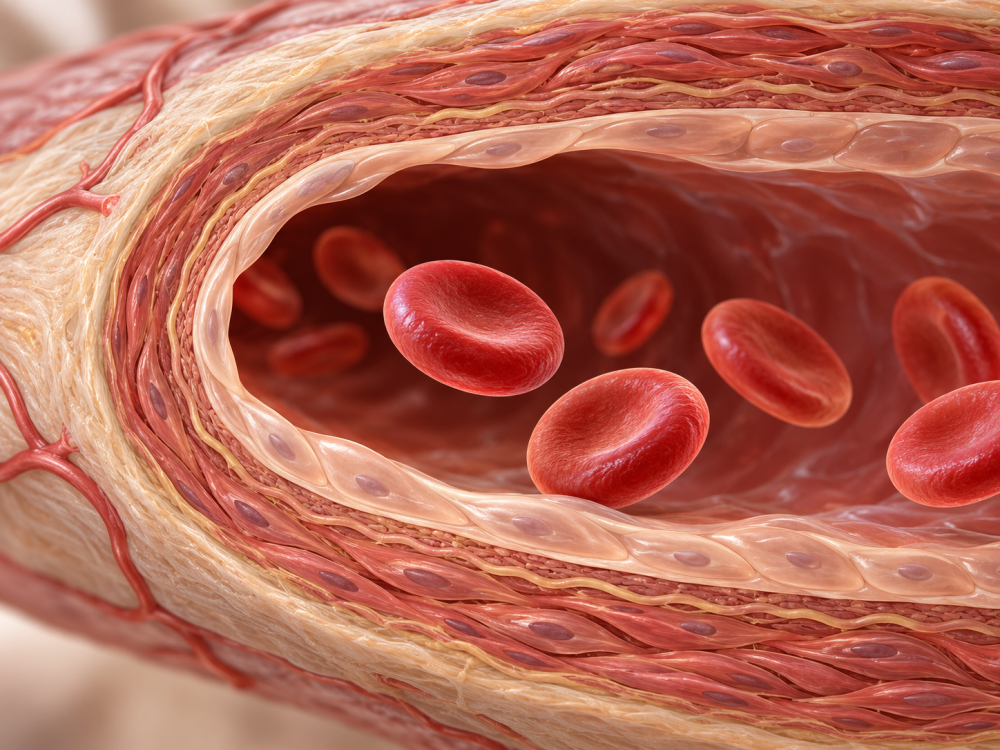
Endothelium forms the inner lining of blood vessels. It helps regulate vascular tone, substance exchange and interactions between blood and the vessel wall. Endothelial cells are therefore useful models for studying light and circulation.
A 2018 study examined endothelial cell cultures and a chick embryo membrane model, observing changes in cell growth and vascular network formation under its specific light protocol. A separate 2022 experiment studied nitric oxide (NO) signalling in cultured human endothelial cells. These findings do not establish that a home device treats atherosclerosis or hypertension.
Experimental study of endothelial cells and vascular network formation (2018) · Experiment on NO signalling in endothelial cells (2022).
03Red blood cells: why are they different?
Red blood cells: why are they different?
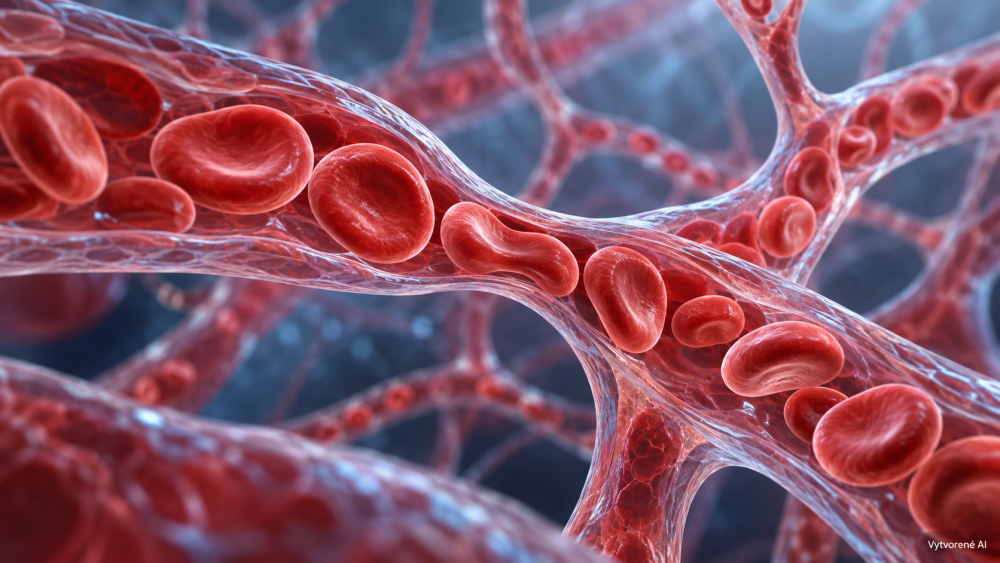
Erythrocytes carry oxygen and must change shape to pass through narrow capillaries. Mature human red blood cells have no mitochondria. Their possible responses to light therefore cannot be explained by the same mitochondrial mechanisms proposed for many other cells.
A 2024 experiment exposed bovine blood outside the body to near-infrared light and a substance that causes oxidative stress. Lower and higher exposures produced different responses, including harmful effects at higher continuous doses. This laboratory study does not demonstrate that PBM ‘thins the blood’, prevents clots or replaces treatment in people.
In-vitro study of bovine erythrocytes and oxidative stress (2024).
04White blood cells and platelets
White blood cells and platelets
For immune cells, research questions include cellular signalling and inflammatory responses under specified conditions. For platelets, relevant questions include activation and their role in tissue repair. These are different biological processes and should not be treated as one universal response to light.
A cellular change is not necessarily beneficial. Claims about boosting immunity, preventing thrombosis or safely changing clotting require appropriate clinical evidence. If you take anticoagulant or antiplatelet medicines, discuss treatment decisions with your clinician.
05Neurons, fibroblasts and other cells
Neurons, fibroblasts and other cells
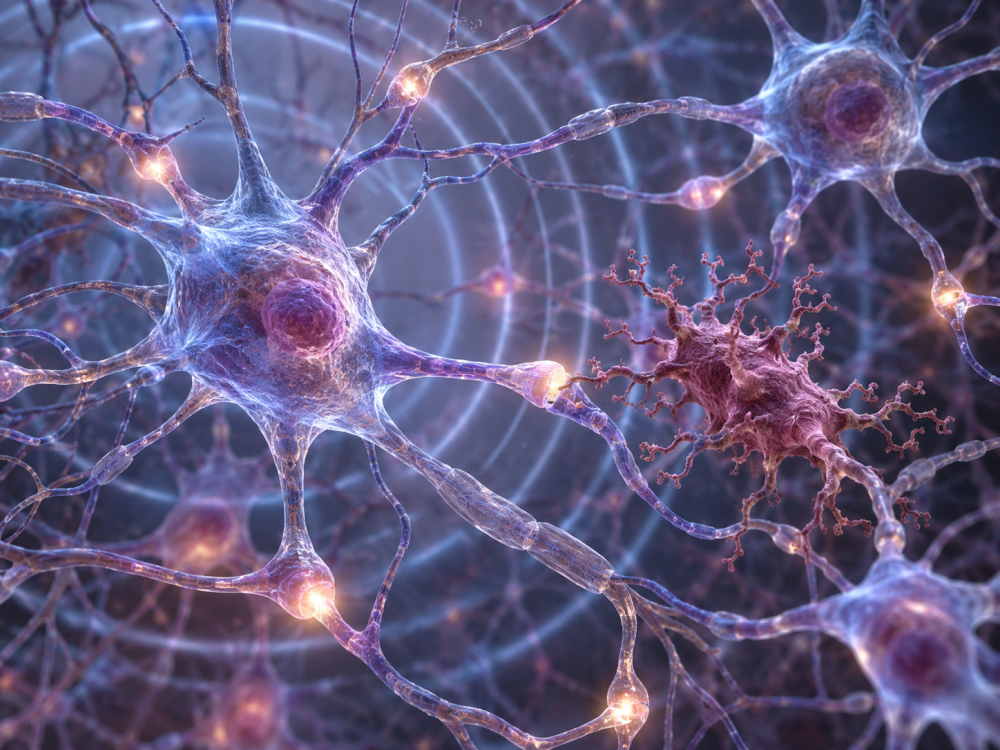
Other cell types discussed in PBM research include neurons, fibroblasts, skin cells and muscle cells. Laboratory questions include metabolism, signalling and tissue repair. Cell types, light parameters and delivery methods differ substantially between experiments.
For brain health, distinguish between a laboratory observation, a small pilot study and a treatment supported by clinical evidence. Findings from one setting do not establish an effective treatment for Alzheimer’s or Parkinson’s disease. For further context, see article 11 on Alzheimer’s disease.
06Wavelength, dose and the path of light
Wavelength, dose and the path of light
Values in nanometres describe the wavelength. Interpreting a study also requires power, illuminated area, exposure time, total energy, distance and the method of delivering light to tissue. The same cells may respond differently to another dose.
Light applied to the skin, light directed over a vessel and an optical fibre inserted into a vessel involve different exposure conditions. A study of one method does not automatically validate another. See article 13 on blood irradiation methods.
07What do laboratory findings mean for people?
What do laboratory findings mean for people?
An experiment may show that a measured cellular feature changes after light exposure. A health recommendation also requires evidence that an appropriate dose reaches the target, that the effect persists and that it improves an outcome meaningful to patients.
If you need an assessment or take prescribed medicines, discuss any proposed treatment changes with a healthcare professional.
For the wider context, see article 03 on the heart and blood vessels and article 15 on interpreting measurements.
08Frequently asked questions
Frequently asked questions
Do red blood cells have mitochondria?
Mature human red blood cells do not. Their possible responses to light must therefore be considered separately from typical mitochondrial mechanisms.
Does an improved laboratory measurement mean an effective treatment?
No. A laboratory finding is a starting point for further research and needs testing in appropriate clinical studies.
Is invasive irradiation the same as applying light through the skin?
No. They differ in procedure, the location of light exposure, dose and safety considerations.
09Sources and further reading
Sources and further reading
The following studies are primarily experimental; they do not, by themselves, establish clinical recommendations.
- Winter et al. (2018): PBM and vascular network formation in cell cultures and a chick embryo membrane model.
- Yokomizo et al. (2022): near-infrared light and nitric oxide signalling in cultured endothelial cells.
- Walski et al. (2024): near-infrared light and oxidative stress in bovine erythrocytes in vitro.
- Kingray article 13: blood irradiation methods and their limitations.
This is an educational overview of selected experimental studies, rather than a clinical guideline or a complete systematic review.