

 Slovensky (EUR)
 Česky (CZK)
 Magyar (HUF)
 Slovenščina (EUR)
 Deutsch (EUR)


Why am I not losing weight?
When you are trying hard and your weight stays the same, let us look at the whole picture: daily pressures, food, movement, sleep and health.
Main guide: GLP‑1, hunger and metabolism →
A personal perspective from Ing. František Kokoš
When looking after your body becomes a daily pressure
“I barely eat anything. I spend as much as three hours at the gym. Before bed, I even use a red light mat. I go to the sauna. My doctor told me I am healthy. Yet I just cannot lose weight.”
Perhaps these words sound familiar. You keep trying, explore more options and hope something will finally change. Yet the same questions return every morning: Have I lost weight? Do I look slimmer? Have I gained muscle? Am I doing enough?
What if, alongside an already demanding routine, daily worries are taking away your peace of mind? How you feel deserves attention too. Many factors affect weight, and psychological strain can make sleep, eating and recovery more difficult. That does not mean you are imagining your difficulties or that they are your fault. [1, 2]

Advice my mother gave me
“František, do everything in moderation. Neither too much nor too little. Whether it is food, exercise or work.”
These are the words I now remember during conversations like this. The body needs movement, but also rest. It needs food, but also time to enjoy it. Our day should leave room for work, sleep and the people whose company makes us feel good.
Our mind, thoughts, hormones, body and organs are connected. We do not have to get everything perfectly right for our efforts to matter. We can gradually find a routine we can live with.
Can stress make losing weight harder?
Yes. For some people it disrupts sleep, increases the desire for energy-dense food or leaves less energy for everyday movement. For others, it can reduce appetite. Responses to stress vary, and we cannot tell someone’s cortisol level by looking at their body. Worrying about weight alone does not establish a hormonal disorder. [1, 7]
If your day revolves around checking your body, feeling guilty after eating and believing you must make up for every missed workout, tell a professional. A psychologist or healthcare professional experienced in eating disorders can help reduce this pressure. Supporting mental wellbeing is part of looking after physical health too. [2, 6]
You can read more about why we sometimes eat without physical hunger in Weight loss and emotions.
“I eat little and exercise.” Why is my weight not changing?
The feeling “I eat little” describes a person’s experience, but does not by itself show how much energy the body takes in and uses. Losing body fat requires an energy deficit over time. A small portion can contain a lot of energy; conversely, genuinely inadequate intake can damage health. Automatically cutting back on food further is therefore not the answer. [3]
Short-term weight readings are also affected by water, digestion, the menstrual cycle and changes in training. A few days without a decrease do not necessarily mean body fat is unchanged. If weighing yourself causes distress, agree on a way of monitoring progress with a professional. [13, 2]
Energy needs, and sometimes hunger, usually change after weight loss. A routine that worked at the beginning may therefore have a different effect a few months later. These connections are explained in Why weight returns. [1, 4]
Three hours at the gym are not a requirement for success
The length of a workout alone does not tell you whether it is appropriate for you. Intensity, fitness, food, rest and overall demands all matter. For adult health, WHO recommends around 150–300 minutes of moderate-intensity aerobic activity a week and muscle-strengthening activities on at least two days a week. This is a general framework for health, not a guarantee of a particular amount of weight loss. [5]
A high volume of exercise combined with inadequate energy intake over time can affect recovery, performance, reproductive function and bone health. Sports medicine describes relative energy deficiency in sport (REDs). Fatigue, repeated injuries or missed periods deserve medical attention, rather than another extra workout. [6]
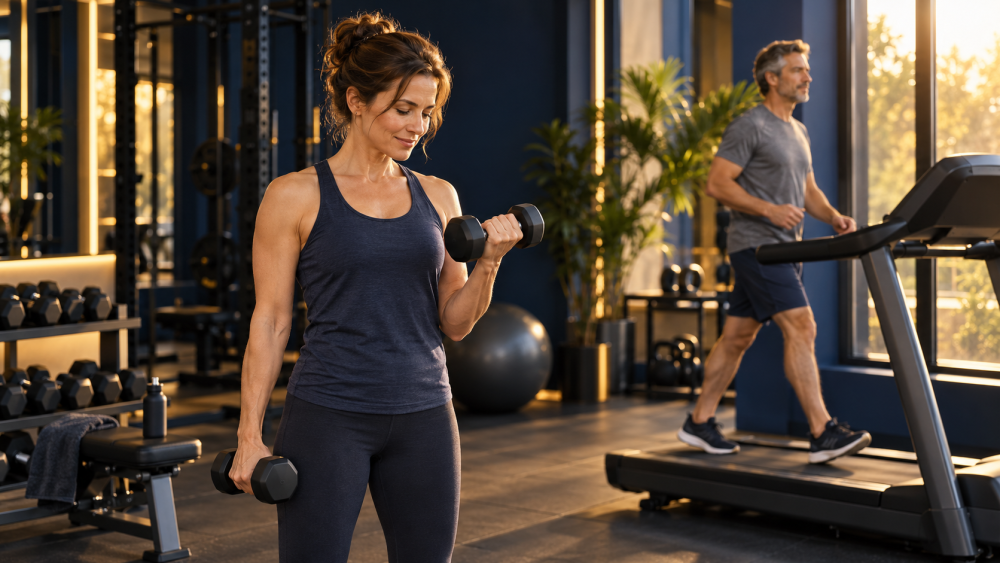
Ordinary walking, getting somewhere on foot and moving around at home all count. Choose a level of activity you can manage and recover from. You can explore the practical connections in Exercise, muscle and metabolism.
What about saunas and red light mats?
Weight loss immediately after a sauna is usually mainly due to water lost through sweating. The weight may return after rehydration. Such a change cannot be used to calculate body fat loss. [14]
With red light, it matters which device and procedure were studied and which outcome was measured. A change in circumference, a feeling of relaxation and sustained weight loss are different things. The FDA explains that non-invasive body contouring is not a treatment for obesity or a method of weight loss. Using a light mat at home therefore does not in itself guarantee weight loss. [12]
The research, differences between technologies and their limitations are discussed in the previous article, Biohacking and weight loss.
When should hormones and medicines be considered?
Normal results from previous tests are good news. They do not, however, mean your doctor already knows every aspect of your day. If difficulties persist or new symptoms appear, arrange a follow-up and describe them specifically. Mention any supplements and medicines you take as well. [2, 7]
An underactive thyroid, PCOS, menopausal changes or certain medicines can contribute to changes in weight. Cushing’s syndrome is a less common cause. A weight-loss plateau alone does not confirm any of these diagnoses. [1, 4, 7]
Never stop taking prescribed medicines on your own because of your weight. Your doctor can assess their benefits, possible side effects and any alternatives. Treating an identified hormonal disorder helps address a health problem, but may not by itself lead to a large reduction in weight. [1, 7]
Which medical tests make sense?
A conversation with your GP is a good starting point. Not everyone needs an endocrinologist or an extensive hormone panel. What matters is whether the result could change the next steps in your care. [7]
| What is assessed | What your doctor may consider | What is useful to know |
|---|---|---|
| Thyroid function | TSH and, depending on the findings, further tests such as free T4. | ESE recommends thyroid function testing in people with obesity. Your doctor decides on the next steps. [7] |
| Glucose metabolism | Fasting blood glucose and/or HbA1c; sometimes an oral glucose tolerance test (OGTT). | These help identify prediabetes or diabetes. They are not a universal test for the cause of a weight-loss plateau. [8] |
| Irregular periods and other symptoms | Gynaecological or endocrinological assessment. | If PCOS or another condition is suspected, tests are selected according to the overall clinical picture. [7] |
| Suspected excess cortisol | Targeted tests recommended by your doctor. | Routine cortisol testing solely because of obesity or feeling stressed is not recommended. [7] |
| Overall health and risks | Blood pressure, waist circumference and, where appropriate, blood lipids or other tests. | The choice should reflect age, medical history, examination and symptoms. [2, 8] |
Prediabetes is assessed mainly using blood glucose and HbA1c, or a glucose tolerance test where appropriate. Fasting insulin or HOMA-IR are not essential tests for everyone who struggles to lose weight. A result must have a specific clinical purpose. [8]
We still need muscle and appropriate fat reserves in later life
Life is not about looking completely perfect. Some people do not come close to an ideal of perfection and live contentedly. Others devote every day to it and still feel they are not enough. Body shape alone cannot guarantee contentment.
In later life, it also matters whether we have the strength to get up from a chair, climb stairs and manage daily activities. Nutrition and muscle must be considered when assessing weight. Someone with a higher weight can still have low muscle mass; conversely, very low weight can be associated with malnutrition and frailty. [9]
A memory from an exhibition
Once, at an exhibition, a woman who may have been around sixty said to me:
“Mr Kokoš, last year I fell so badly on an icy pavement that I thought I would break every bone. Do you know what the doctor told me? That my body fat had actually saved me.”
This memory reminds me why we should regard the body with greater respect. It is, however, a personal account, not evidence that a higher weight protects everyone in a fall. Without this woman’s medical information, we cannot assess what determined the outcome of her fall.
Research shows that being underweight is associated with a higher risk of fractures. The relationship between higher weight and fractures is more complex and also depends on bone density; obesity does not offer universal protection. A large 2025 analysis of 63 cohorts explicitly challenges this simplification. [10]
Muscle strength, balance, bone health, eyesight, suitable footwear and a safe environment all matter in preventing falls and their consequences. When losing weight in later life, it therefore makes sense to protect muscle and seek advice appropriate to your health. [9, 11]
What you can reconsider now
- Sleep. Do you make real room for rest in your day, or do you keep postponing it?
- Food. Is your eating routine regular, varied and manageable at work or when visiting others?
- Movement and exercise. Can you balance activity with recovery and make room for ordinary walking too?
- Work and responsibilities. What one thing could you change to make your day a little less exhausting?
- People close to you. Who can you spend time with without comparing body shapes, performance and results?
- Professional support. What do you need to explain to your doctor, dietitian or psychologist?
Choose one manageable step. This page does not have to become another to-do list that leaves you feeling you are failing. If reducing weight would benefit your health, a professional can help with a plan, including other treatment options. You do not have to manage everything alone.
Frequently asked questions about weight-loss plateaus
Why am I not losing weight when I eat little?
Possible explanations include a short monitoring period, changes in body water, altered energy needs or a difference between estimated and actual intake. If you are genuinely eating too little or feel exhausted, do not restrict food further without professional assessment. [3, 4, 13]
Can stress prevent me from losing weight?
It can make weight loss harder through its effects on sleep, appetite and daily habits. A plateau alone does not prove high cortisol or mean that the problem is purely psychological. [1, 7]
Should I have all my hormones tested?
Tests should be guided by symptoms and health status. ESE recommends checking thyroid function in people with obesity; other hormone tests are selected for specific reasons. [7]
Is insulin resistance the same as diabetes?
No. It means the body responds less effectively to insulin. Prediabetes and diabetes are assessed using established diagnostic criteria, not simply by difficulties with weight loss. [8]
Do I need to exercise for several hours every day?
No. Consistency, appropriate intensity and recovery are what matter. General health recommendations refer to the weekly amount of activity, not a compulsory number of hours each day. [5]
Why do I weigh less after a sauna?
The short-term decrease is mainly related to water loss. It is not a measurement of fat burned. [14]
Can a red light mat guarantee weight loss?
No such guarantee can be given. Results from a particular clinical procedure cannot automatically be attributed to every home device. [12]
Is being as slim as possible best in later life?
The goal should reflect health, nutrition and functional ability. Preserving muscle and strength matters when reducing weight. [9]
Does fat protect against fractures in a fall?
This is not a universal rule. Risk also depends on bones, balance, muscle and the circumstances of the fall; a higher weight does not guarantee protection. [10, 11]
What if my doctor said my results were normal?
If difficulties persist, arrange a follow-up to discuss specific symptoms, medicines and your routine. Normal results are not a reason to ignore exhaustion or severe anxiety about food and body shape. [2]
Leaving room for life as well
Perhaps we return to my mother’s advice because it held so much everyday wisdom. Eat in moderation. Move in moderation. Work, but know when to sit down too. Have a goal, but do not put contentment on hold until the day the scales show the “right” number.
Your body is worth caring for today — just as it is. And when you need help, it is all right to ask for it.
What this article is based on
Personal recollections come from material provided by the author. The scientific explanations are presented separately and refer to the sources below. This article is educational and does not replace an individual health assessment.
Scientific sources and further reading
- HSE. Causes of obesity. Stress, sleep, appetite, medicines and life circumstances.
Open source ↗ - NICE NG246. General principles of care. Individualised care, mental wellbeing and previous experiences with weight.
Open source ↗ - NICE NG246. Physical activity and diet. Nutritionally balanced eating, energy deficit and professional support.
Open source ↗ - NIDDK. Factors Affecting Weight & Health. Body weight and its biological, health and everyday context.
Open source ↗ - WHO. Physical activity. Recommendations for aerobic activity, strength training and balance.
Open source ↗ - Mountjoy et al. IOC consensus statement on Relative Energy Deficiency in Sport (2023). Risks of a long-term mismatch between energy intake and training demands.
Open source ↗ - Pasquali et al. ESE Clinical Practice Guideline: Endocrine work-up in obesity (2020). Thyroid testing in obesity and targeted assessment of other hormones.
Open source ↗DOI: 10.1530/EJE-19-0893 ↗ - NIDDK. Insulin Resistance & Prediabetes. Blood glucose, HbA1c and the diagnosis of prediabetes.
Open source ↗ - National Institute on Aging. Maintaining a Healthy Weight. Appropriate weight, nutrition and muscle in later life.
Open source ↗ - Harvey et al. Body mass index and subsequent fracture risk: a meta-analysis to update FRAX (2025). Analysis of 63 cohorts: underweight and fracture risk; a higher BMI does not offer universal protection.
Open source ↗DOI: 10.1093/jbmr/zjaf091 ↗ - National Institute on Aging. Falls and Fractures in Older Adults. Muscle strength, balance, bone health and fall prevention.
Open source ↗ - FDA. Non-Invasive Body Contouring Technologies. The difference between body contouring and treating obesity.
Open source ↗ - Cleveland Clinic. 7 Possible Reasons Why Your Weight Fluctuates (2024). Short-term weight changes and water retention.
Open source ↗ - Podstawski et al. Sauna-Induced Body Mass Loss in Young Sedentary Women and Men (2014). Short-term body weight loss after sauna use associated with water loss.
Open source ↗