

 Slovensky (EUR)
 Česky (CZK)
 Magyar (HUF)
Blood viscosity and microcirculation: what affects blood flow
KINGRAY ACADEMY · ARTICLE 02
Blood viscosity and microcirculation: what affects blood flow
Viscosity describes blood’s resistance to flow. Microcirculation is the circulation of blood in the smallest arterioles, capillaries and venules.
How blood passes through the smallest vessels depends on the number and flexibility of blood cells, the properties of plasma and the condition of the vessels. We explain haematocrit, viscosity, fibrinogen and glycation without treating these different concepts as a single condition called “thick blood”.
01 · What is microcirculation?
The heart may pump blood effectively into the large arteries, but what matters for cells is whether blood also reaches the finest network of small vessels and capillaries. This is where microcirculation and the rheological properties of blood come into play.
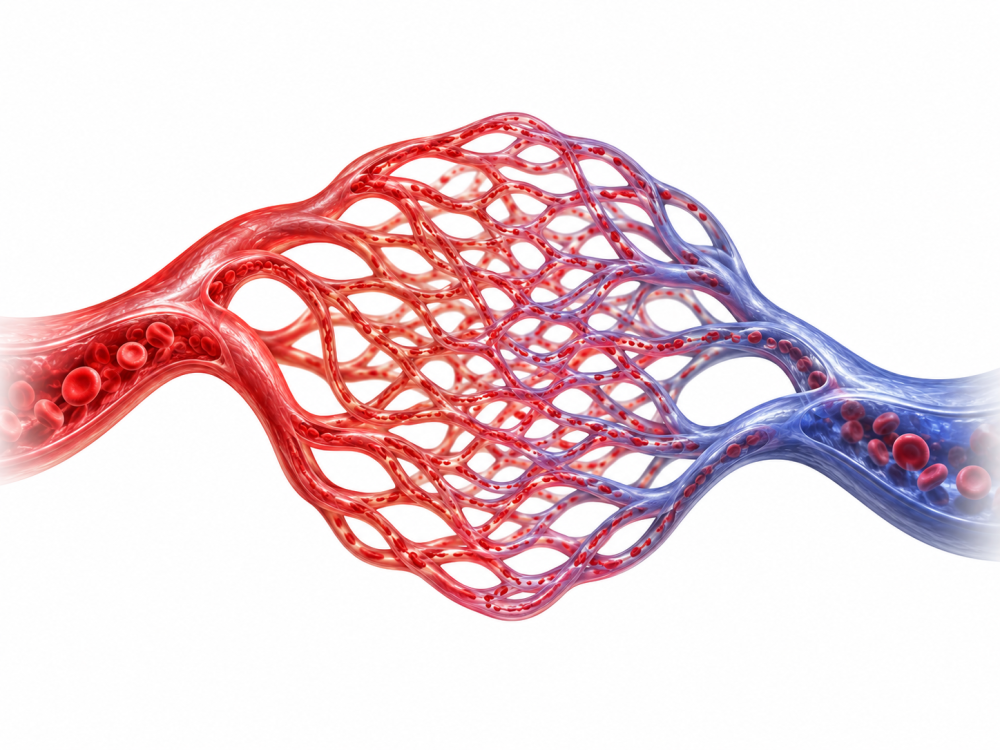
How easily blood flows is not determined solely by its “thickness”. Important factors include haematocrit, plasma viscosity, fibrinogen, red blood cell flexibility and aggregation, hydration, temperature, flow conditions and the condition of the vessels themselves.
How blood flows
Haemorheology studies the deformation and flow of blood and the factors that determine resistance to flow.
Resistance to flow
Blood viscosity is not constant. It changes with blood composition and the conditions under which blood flows.
Where blood supplies cells
Oxygen, nutrients and metabolic products are exchanged between blood and tissues in the smallest vessels.
Viscosity ≠ clotting
“Thick blood”, increased viscosity, clotting tendency and thrombosis are different concepts.
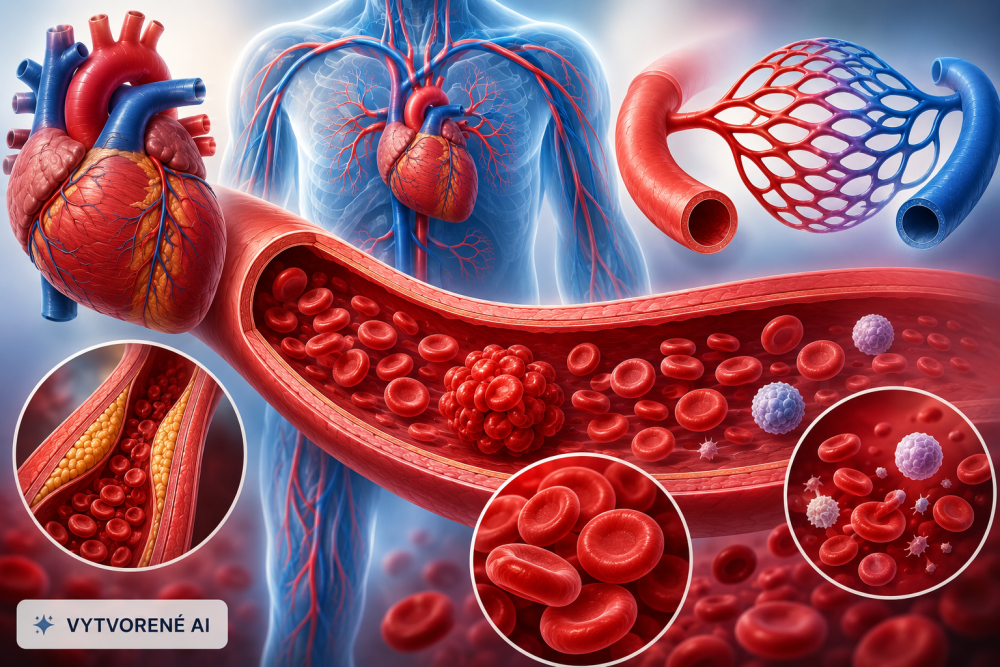
Microcirculation mainly includes the smallest arterioles, capillaries and venules. This is where exchange between blood and tissues takes place.
Red blood cells transport oxygen to tissues.
Blood delivers glucose and other substances needed for cellular metabolism.
The circulation distributes signalling substances between organs.
Carbon dioxide and metabolic waste products are carried away from tissues.
The quality of microcirculation does not depend solely on the properties of blood. It is also influenced by vessel diameter, endothelial function, blood pressure, cardiac output, nervous regulation and the tissue’s current oxygen requirements.
The complete journey of blood through the heart, lungs and body is explained in article 03 · The heart and circulation. To learn about the blood vessel lining, continue to article 05 · The endothelium.
02 · What symptoms might a person experience?
Impaired blood supply or regulation of small vessels may be associated with various symptoms.
- cold hands and feet,
- pale, bluish or mottled skin,
- tingling or reduced sensation,
- heavy, tired legs,
- muscle fatigue during activity,
- slower wound healing,
- poor tolerance of cold,
- temporary changes in finger colour.
Similar symptoms can also occur with anaemia, diabetes, thyroid disease, nerve damage, low blood pressure, Raynaud’s phenomenon, or arterial and heart disease.
Viscosity, haematocrit, clotting tendency and thrombosis describe different processes. Distinguishing them is essential to understanding this article.
03 · What does blood rheology mean?
Rheology studies how substances deform and flow. For blood, the more specific term is haemorheology.
Blood is not a simple, homogeneous fluid. It contains:
Its viscosity is therefore not the same under all conditions.
- haematocrit,
- plasma viscosity,
- fibrinogen and other plasma proteins,
- red blood cell deformability,
- red blood cell aggregation,
- flow conditions, especially shear rate,
- hydration,
- temperature.
Why does viscosity change as blood flows?
One important factor is shear rate – the difference in velocity between neighbouring fluid layers relative to the distance between them. It is not simply the speed of blood in a vessel. At higher shear rates, red blood cell aggregates break apart and the cells align and deform; the apparent viscosity of blood usually falls. At low shear rates, aggregation can have a greater influence.
04 · Haematocrit: too many or too few red blood cells can be a problem
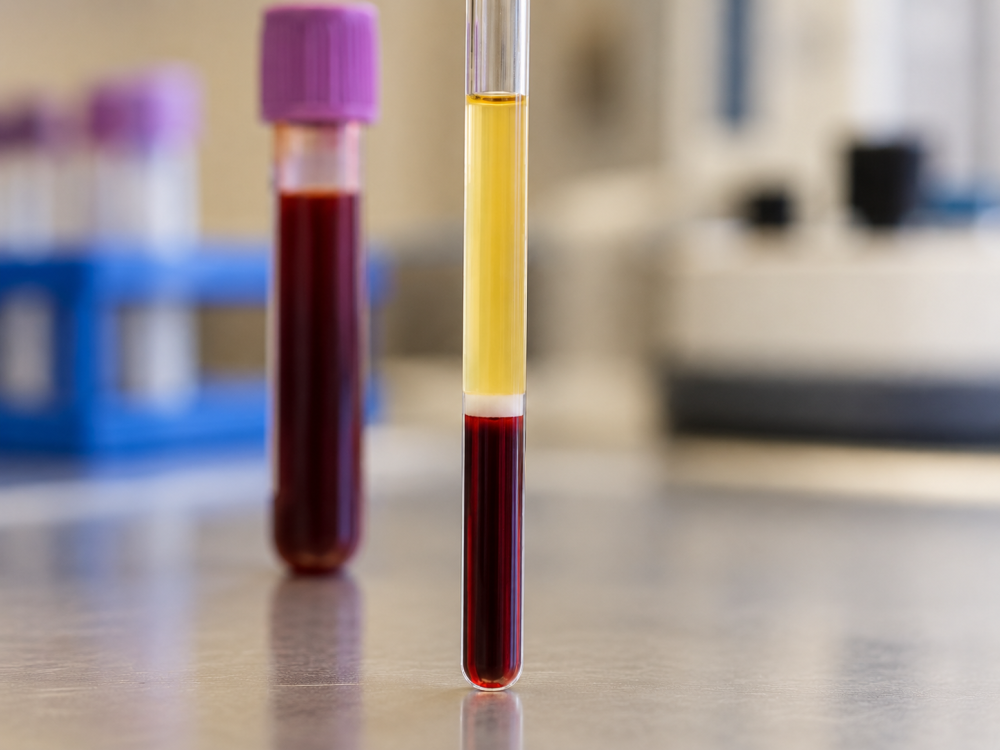
Haematocrit expresses the proportion of blood volume occupied by red blood cells.
Higher viscosity
A higher concentration of red blood cells can increase resistance to blood flow.
Less oxygen carried
In anaemia, blood may be less viscous, but it may also carry less oxygen.
The aim of supplying tissues is therefore not to make blood “as thin as possible”. What matters is a balance between adequate oxygen transport and appropriate flow conditions.
What can increase haematocrit?
- dehydration,
- smoking,
- long-term oxygen deficiency,
- sleep apnoea,
- living or staying at high altitude,
- certain lung and heart diseases,
- polycythaemia and certain blood cell production disorders.
05 · Why is red blood cell flexibility important?
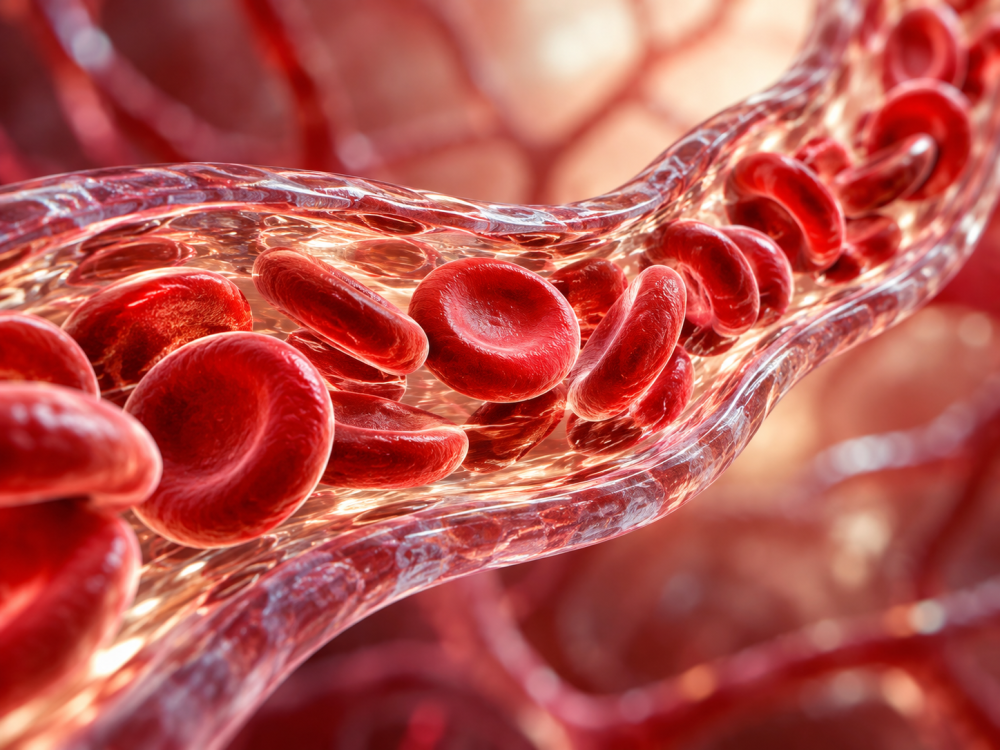
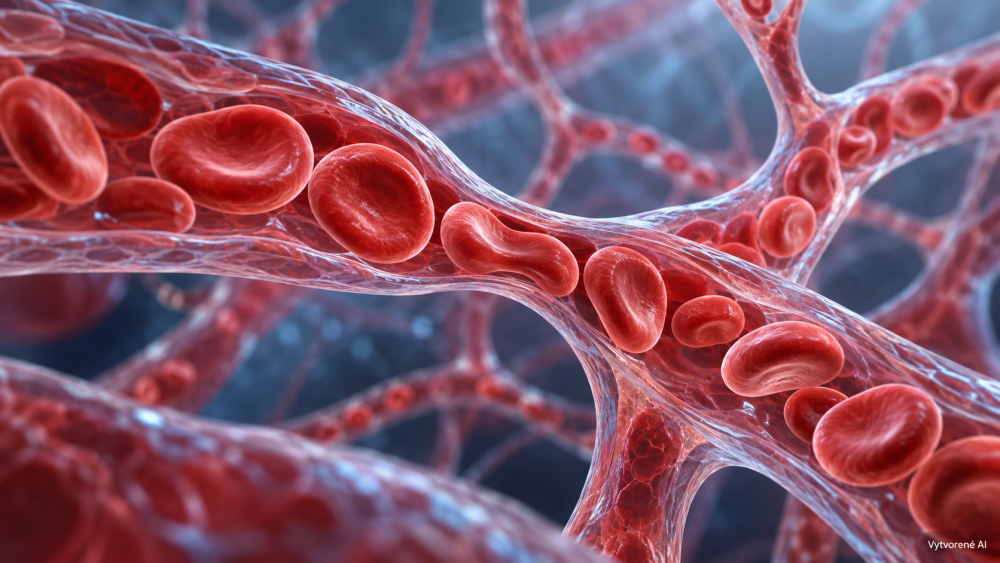
Some capillaries are narrower than a red blood cell itself. To pass through them, an erythrocyte must deform, stretch and then return to its original shape.
- high blood glucose,
- oxidative stress,
- inflammation,
- red blood cell membrane disorders,
- certain diseases.
What is red blood cell aggregation?
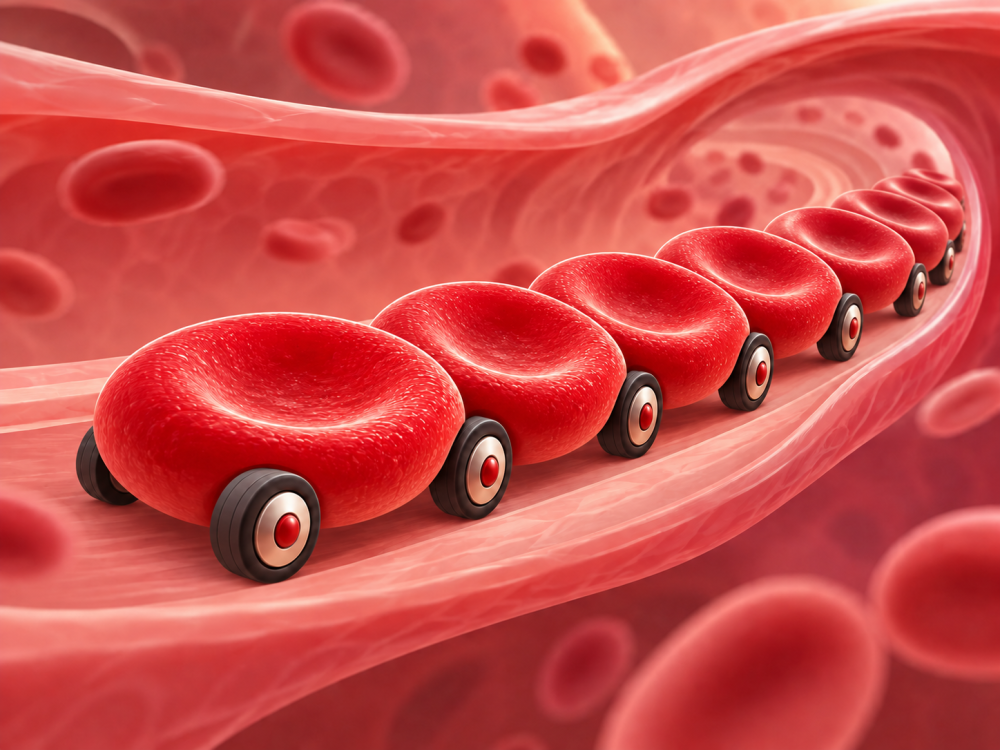
In blood flowing under low shear conditions, erythrocytes can temporarily form structures resembling stacks of coins. This is called aggregation.
As shear forces increase, these aggregates can normally separate again. Erythrocyte aggregation is not the same as blood clot formation.
Long-term high blood glucose can change the vascular endothelium and the properties of red blood cells. HbA1c, however, is not a blood viscosity test.
The appearance of erythrocytes and rouleaux in a sample is explained in article 01 · Blood under the microscope. However, a photograph of a fresh drop cannot determine numerical viscosity or red blood cell deformability.
06 · Glycation: how high blood sugar can damage microcirculation
When glucose levels remain high over time, glucose can react with proteins without the involvement of enzymes. This process is called glycation.
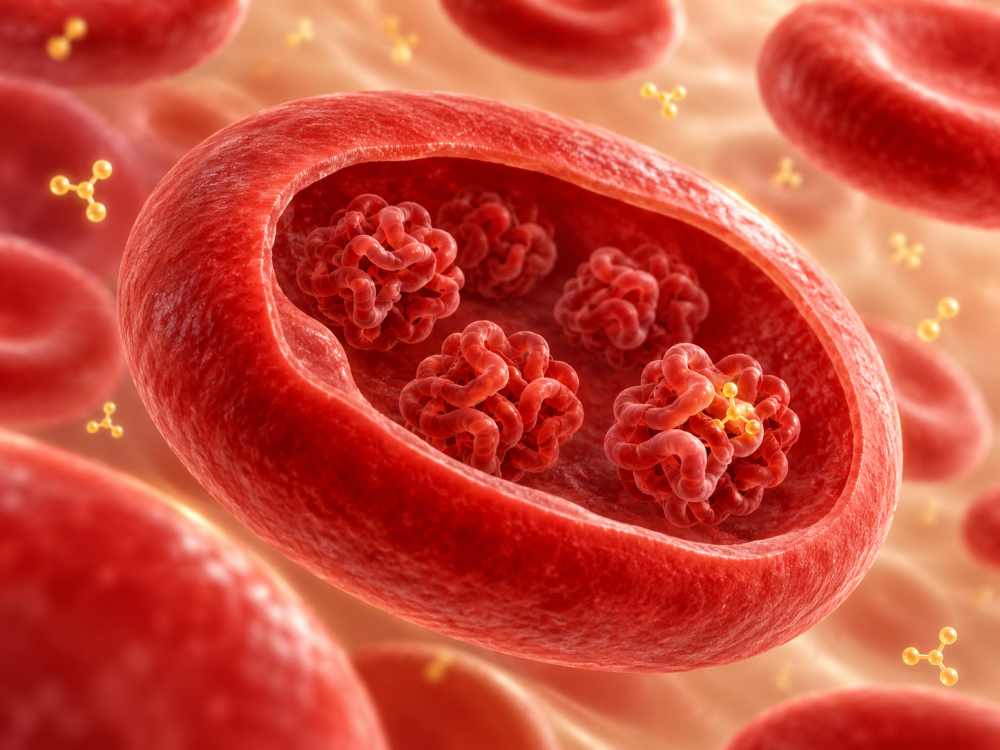
Over time, these reactions may produce advanced glycation end products – AGEs.
Glycation can change its structure and elasticity.
The function of the inner lining of blood vessels may deteriorate.
Their mechanical properties may change.
AGEs are also associated with other harmful cellular processes.
Glycated haemoglobin, HbA1c, helps assess longer-term blood glucose control. It is not a direct measurement of blood viscosity or a standalone test of microcirculation.
07 · Fibrinogen influences clotting and the rheological properties of blood
Fibrinogen is a protein produced in the liver. During clotting, it is converted into fibrin, which helps form the stable network of a blood clot.
It is also an acute-phase protein, and its concentration may rise during inflammation or tissue injury.
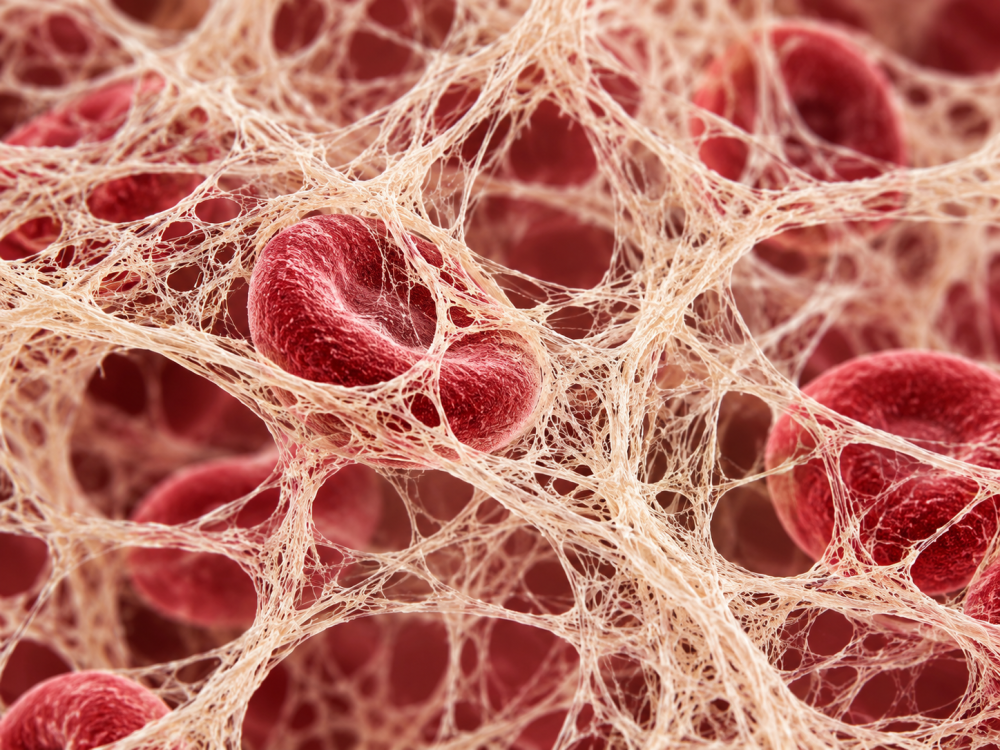
- increase plasma viscosity,
- promote red blood cell aggregation,
- be associated with inflammatory activity,
- affect flow conditions when blood flows under low shear conditions.
Fibrinogen is not the only factor behind what is commonly called “thick blood”. Its result must be interpreted alongside other tests.
08 · Blood viscosity is not the same as clotting
These concepts are often confused, but they describe different biological processes.
Viscosity, clotting, thrombosis and haematocrit: the differences
Medicines that affect platelets or coagulation do not automatically lower haematocrit or remove every cause of impaired blood rheology. These medicines should not be taken without appropriate medical advice.
09 · What can impair microcirculation?
Insufficient fluids
Dehydration reduces plasma volume and can make blood more concentrated. Heavy sweating, hot weather, vomiting, diarrhoea, alcohol and prolonged periods without fluids can all matter.
Prolonged sitting
Muscle activity helps blood return from the limbs. Sitting or standing for long periods can cause heavy legs and swelling.
Cold
Cold causes blood vessels, particularly those near the surface, to narrow. Fingers may therefore become cold, pale or temporarily change colour.
Smoking
Nicotine narrows blood vessels, and smoking damages the endothelium. It can also promote inflammation and affect haematocrit.
High blood glucose
Persistently elevated glucose promotes protein glycation, endothelial damage and other changes associated with diabetic microcirculation.
Inflammation
Inflammation can increase fibrinogen and other plasma proteins, potentially changing plasma viscosity and red blood cell aggregation.
High blood pressure and atherosclerosis
Significant narrowing of a large artery reduces the amount of blood reaching the downstream network of smaller vessels. Supporting microcirculation alone cannot remove this obstruction.
10 · How can everyday habits support microcirculation?
Long-term measures that support vascular and metabolic health have the greatest importance.

- adequate fluid intake; if fluids are restricted because of heart or kidney disease, follow your doctor's instructions,
- regular walking and muscle activity,
- breaking up long periods of sitting,
- warming up gradually before physical activity,
- protecting the limbs from severe cold,
- not smoking,
- managing blood pressure,
- managing blood glucose and blood lipids,
- treating inflammation and underlying conditions,
- maintaining an appropriate body weight,
- getting enough sleep and addressing sleep apnoea.
Research on local blood flow or the endothelium does not mean that a home light device “thins the blood” or treats thrombosis.
11 · Photobiomodulation and microcirculation: what does research examine?
Photobiomodulation research examines the effects of red or near-infrared light on tissues. A small randomised study involving 20 healthy volunteers monitored local microcirculation in the hand after irradiation of the wrist. Responses varied with wavelength and baseline skin temperature. [5]
This study does not demonstrate a reduction in haematocrit, dissolution of clots or treatment of thrombosis. Its findings cannot automatically be applied to another device, intranasal application or the entire circulation.
For a more detailed explanation of the methods and the limits of the evidence, see article 13 · Laser blood irradiation and article 14 · Cells and photobiomodulation.
12 · Which tests may help identify the cause?
Depending on symptoms and health status, a doctor may assess, for example:

Direct measurement of blood viscosity is not automatically part of a routine preventive check-up. It is mainly used in selected clinical situations.
Haematocrit is one factor that influences viscosity, but it is not a direct measurement of it. A complete blood count, blood glucose, HbA1c and fibrinogen answer different questions. An overview of the methods is available in article 15 · Heart and circulation measurements.
13 · When is immediate action needed?
- sudden weakness or paralysis on one side of the body,
- speech problems or a drooping face,
- sudden chest pain,
- severe shortness of breath,
- a suddenly cold, pale or painful limb,
- loss of consciousness or sudden confusion,
- sudden vision problems.
Call your local emergency number immediately if these sudden, serious symptoms occur (112 in the EU). New swelling and pain in one leg require urgent medical assessment; if shortness of breath or chest pain also develops, call the emergency services.
14 · Frequently asked questions
What does “thick blood” mean?
It is an imprecise everyday term. It may refer to increased haematocrit, higher viscosity, elevated levels of certain proteins or even increased clotting tendency. These conditions are not the same.
Does dehydration increase blood viscosity?
Insufficient fluids can reduce plasma volume and make blood more concentrated. However, people with heart or kidney disease should adjust fluid intake according to their doctor's advice.
Is a high haematocrit dangerous?
Its significance depends on the level and the cause. Higher haematocrit can increase blood viscosity, but a doctor must interpret the result alongside the blood count and overall health.
Is fibrinogen the same as “thick blood”?
No. Fibrinogen is one plasma protein. It can affect plasma viscosity and blood cell aggregation, but it is only one of several factors.
Can photobiomodulation thin the blood?
There is no basis for recommending a home device to lower haematocrit or dissolve a blood clot. Research into local microcirculation cannot be equated with a demonstrated effect on whole-blood viscosity or clots.
Can blood viscosity be determined under a microscope?
Looking at a fresh drop of blood alone does not provide a numerical viscosity value. Measurement requires an appropriate method and specified conditions, such as temperature and shear rate.
What is the difference between viscosity and clotting?
Viscosity describes blood’s resistance to flow. Clotting is a biological process in which platelets and coagulation factors help form a clot. Higher viscosity alone is not evidence of thrombosis.
15 · What should you remember?
Blood rheology and microcirculation are closely connected. How easily blood passes through the smallest vessels is influenced by haematocrit, plasma viscosity, fibrinogen, red blood cell flexibility and aggregation, hydration, temperature and flow rate.
Persistently elevated blood glucose can damage microcirculation through protein glycation, endothelial damage and changes in red blood cell properties.
The most sensible approach is therefore to avoid trying to generally “thin the blood”, and instead identify the specific cause, manage cardiovascular and metabolic risk factors, and obtain appropriate medical assessment for persistent symptoms.
This article is educational. Unexplained changes in blood flow, swelling on one side, sudden limb pain, chest pain, neurological symptoms or severe shortness of breath require professional medical assessment.
Scientific sources and related articles
- [1] Nader et al. (2019): Blood Rheology: Key Parameters, Impact on Blood Flow, Role in Sickle Cell Disease and Effects of Exercise. A review of rheological mechanisms.
- [2] MedlinePlus: Hematocrit Test. The significance and interpretation of haematocrit.
- [3] NHS: Deep vein thrombosis (DVT). Symptoms and the need for prompt assessment.
- [4] NIDDK: The A1C Test & Diabetes. Understanding HbA1c.
- [5] Microcirculatory Response to Photobiomodulation—Why Some Respond and Others Do Not (2020). A controlled study of local microcirculation; the findings cannot be generalised to another method of application.