

 Slovensky (EUR)
 Česky (CZK)
 Magyar (HUF)
Heart, Blood, and Blood Vessels: An Overview of 15 KINGRAY Academy Articles
Heart, Blood, Blood Vessels and Brain: Understanding the Connections
KINGRAY ACADEMY · Author: Ing. František Kokoš · Updated: 6 October 2026
Explore 15 educational articles about the heart, blood, blood vessels and brain. Start with the main guide in article 03, or choose a specific topic from the menu.
START HERE · MAIN GUIDE
Heart and blood vessels: how does circulation work?
Article 03 explains how the heart, blood and blood vessels work together, what blood pressure means and how the topics in this series connect. Then choose a more detailed article from the menu.
Open 03 · Heart and blood vessels →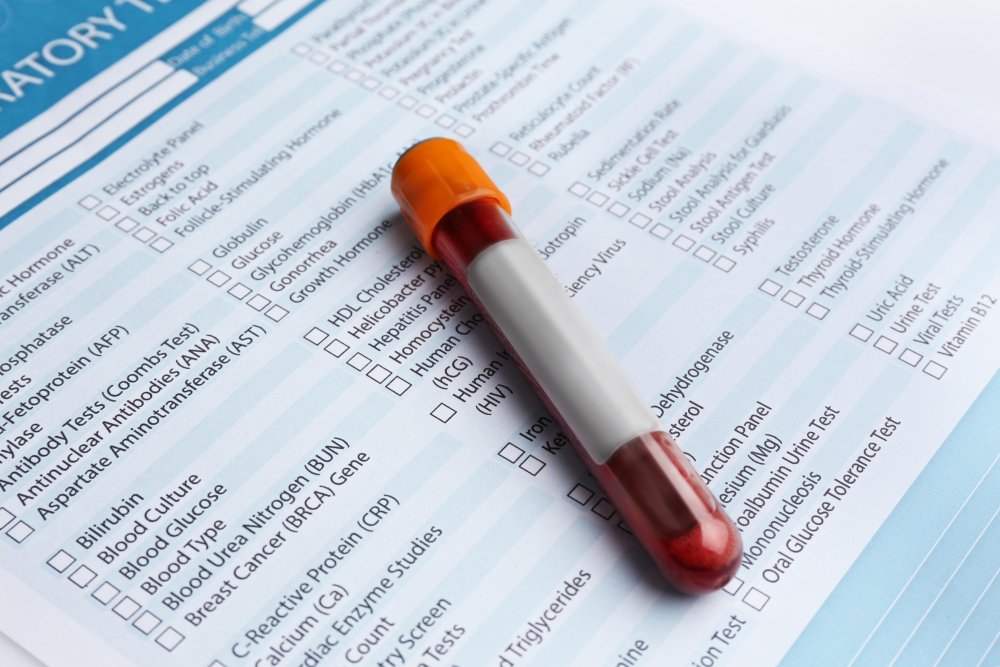
01 · Blood drop under a microscope →
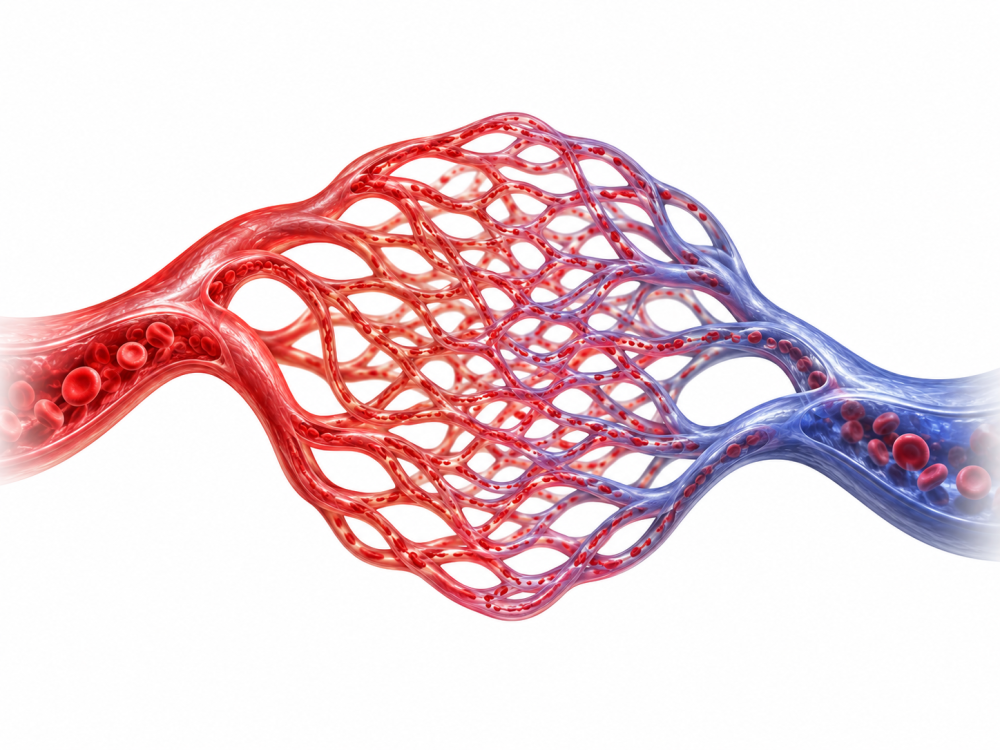
02 · Blood viscosity and microcirculation →

03 · Heart and circulation →
What connects these topics?
The heart pumps blood, blood vessels carry it through the body, and the smallest vessels allow substances to move between blood and tissues. Cardiovascular health needs to be considered in the context of overall risk: alongside blood pressure and blood lipids, factors such as blood glucose, smoking, physical activity and nutrition matter.
Each article explains a different part of the picture. A blood-drop image or a single measurement does not, by itself, establish a diagnosis.
Frequently asked questions
Where should I start?
For an overview, start with article 03 about the heart and blood vessels. If you have a specific question, choose the relevant article from the menu. You can also read each article individually.
Can a blood-drop image identify a disease?
No. A blood-drop image alone does not replace validated laboratory testing or professional diagnosis.
What matters for heart and blood vessel health?
Assessment depends on your overall health. Blood pressure, blood lipids, blood glucose, smoking and other individual risk factors are commonly considered. A healthcare professional interprets the findings.
Sources and important information
- WHO: Cardiovascular diseases
- ESC: Elevated blood pressure and hypertension (2024)
- ESC/EAS: Dyslipidaemia guideline update (2025)
Research findings about a substance or technology cannot automatically be applied to a particular food supplement or device. This content is educational. It does not replace examination, diagnosis, treatment or individual advice from a healthcare professional. Discuss symptoms and questions about test results with a doctor; do not change prescribed treatment based on an article.