

 Slovensky (EUR)
 Česky (CZK)
 Magyar (HUF)
Blood sugar and insulin: levels and glucose regulation
Blood sugar and insulin: levels and glucose regulation
Blood sugar, also called blood glucose, is the concentration of glucose in the blood. Insulin is a hormone produced by the pancreas that helps regulate this level, particularly by supporting glucose uptake into muscle and fat cells and influencing glucose production in the liver.
Blood glucose changes throughout the day. We explain fasting levels, HbA1c, insulin resistance and the difference between a home glucose meter and laboratory diagnosis. In routine assessment, one elevated result may not confirm diabetes; with severe symptoms, do not wait for another measurement.
01 · What does high blood sugar mean?
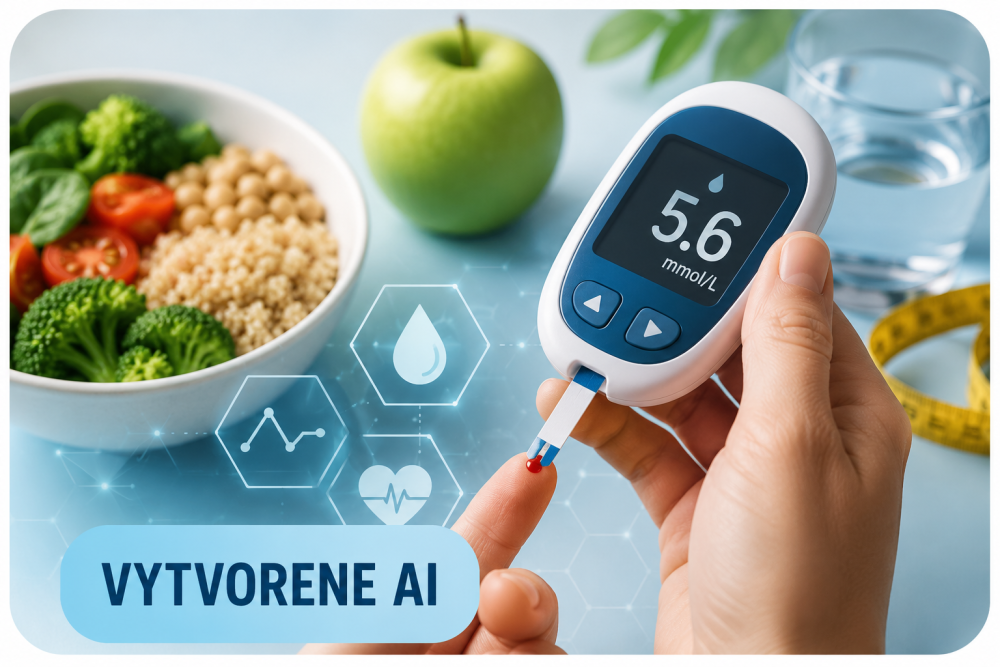
A key source of energy
Cells use glucose for energy. The body continually regulates its concentration in the blood.
Helps glucose enter cells
If insulin is insufficient or cells respond less effectively, blood glucose may remain elevated.
Does not tell the whole story
A result depends on the timing, meals, health status and type of test.
Can damage tissues
Chronic hyperglycaemia is associated with damage to blood vessels, nerves, eyes, kidneys and other organs.
Glucose is naturally present in the blood and is one of the body's main energy sources. It comes from food, but the body can also produce it.
Hyperglycaemia means the blood glucose concentration is higher than desirable for the situation.
- a physiological rise after a meal, which is not in itself hyperglycaemia,
- a temporary response to illness or stress,
- the effect of certain medicines,
- prediabetes,
- diabetes,
- inadequate glucose control in someone already diagnosed with diabetes.
02 · How are glucose and insulin related?
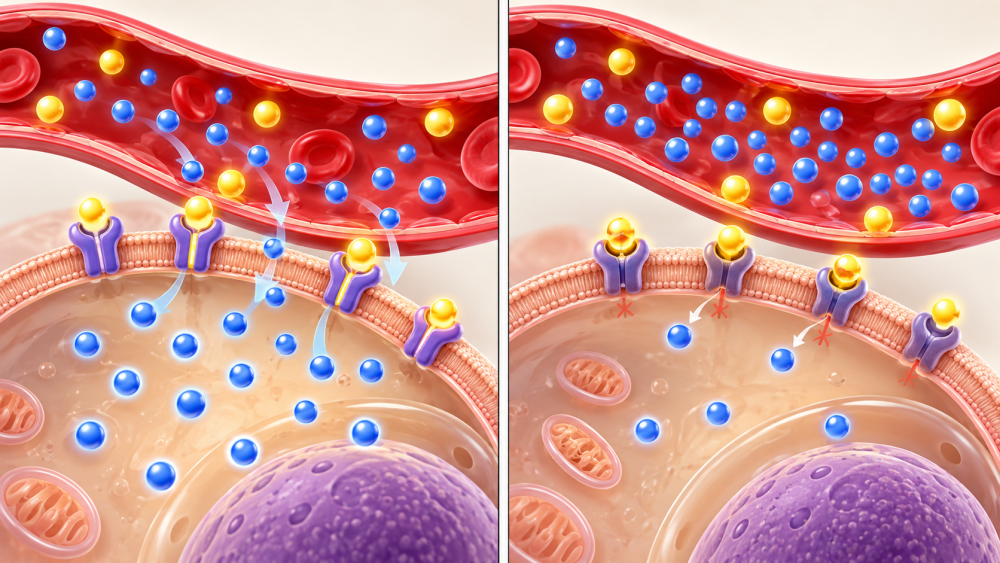
After a meal, carbohydrates are broken down into simpler substances and glucose enters the blood. The pancreas responds to the rise in glucose by producing the hormone insulin.
Glucose → insulin → cells
Insulin helps glucose enter muscle and fat cells in particular, and also regulates glucose production in the liver.
Cells respond less effectively
With insulin resistance, the body needs more insulin to achieve a similar metabolic effect.
Glucose remains in the blood
With marked insulin deficiency, blood glucose may rise while cells cannot use glucose properly.
Insulin resistance does not automatically mean diabetes. The pancreas may compensate for the weaker cellular response by producing more insulin for a time. Blood glucose starts to rise when this compensation is no longer sufficient.
03 · Which blood sugar values are used for diagnosis?
Diabetes is diagnosed using laboratory tests, rather than a single home glucose reading.
Unless there is unequivocal hyperglycaemia with typical symptoms or a hyperglycaemic crisis, diagnosis requires two abnormal results: a repeat of the same test or two different diagnostic tests. A clinician may assess results from the same blood sample or samples collected on different occasions.
What about prediabetes?
Prediabetes means glucose regulation is impaired, but results do not yet reach the diagnostic threshold for diabetes.
For example, the American Diabetes Association uses these prediabetes ranges:
- HbA1c 5.7–6.4%,
- fasting glucose 5.6–6.9 mmol/L,
- 2-hour OGTT glucose 7.8–11.0 mmol/L.
Professional organisations use slightly different criteria for impaired fasting glucose. Interpret results using the laboratory's method and the person's overall health risk.
These criteria apply outside pregnancy. Gestational diabetes uses a separate diagnostic process, and these values are not individual treatment targets.
04 · What does HbA1c show?
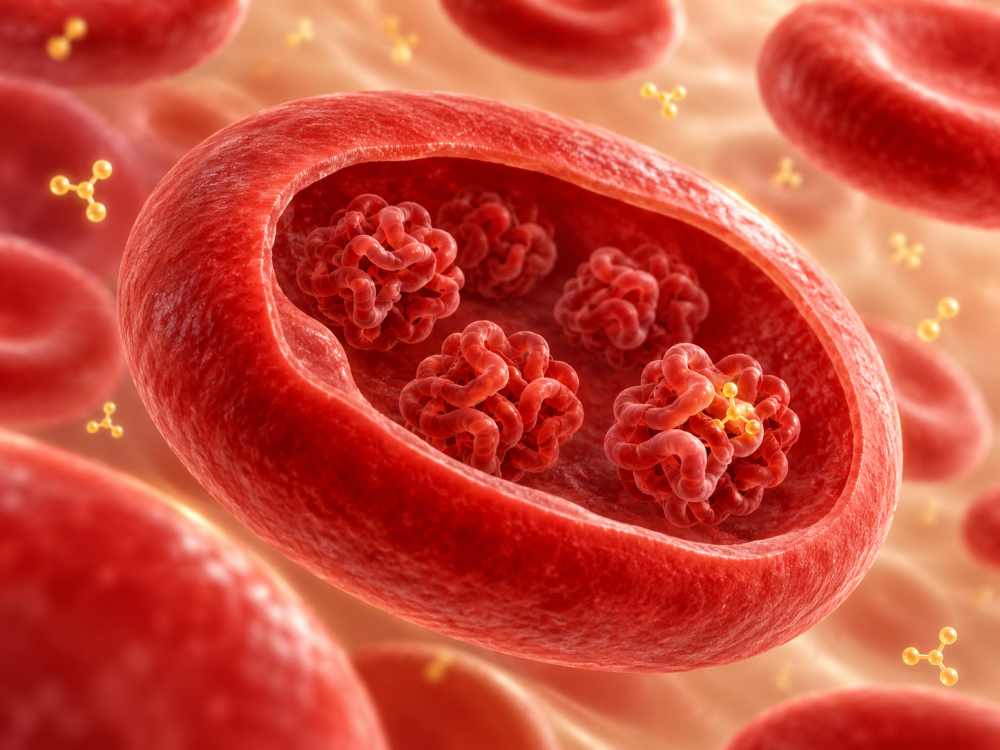
HbA1c, or glycated haemoglobin, forms when glucose binds to haemoglobin in red blood cells. It therefore provides information about longer-term blood glucose exposure.
HbA1c roughly reflects average blood glucose over the past 2–3 months. It is not simply a result of the last meal.
HbA1c should not be assessed in isolation. Conditions affecting red blood cells or haemoglobin can alter its relationship with actual blood glucose.
A glucose meter gives a reading at a particular moment, while HbA1c provides a broader view over time.
05 · What symptoms can high blood sugar cause?
Mild or gradually developing hyperglycaemia may cause no obvious symptoms. Type 2 diabetes in particular may go unnoticed for some time.
- more frequent urination,
- increased thirst,
- fatigue,
- blurred vision,
- increased hunger,
- unexplained weight loss,
- slower wound healing,
- recurrent skin, urinary or yeast infections.
A person can have prediabetes or type 2 diabetes while feeling entirely normal.
06 · Why can blood sugar be elevated?
Not all hyperglycaemia has the same cause.
Type 1 diabetes
In type 1 diabetes, autoimmune damage affects the pancreatic cells that produce insulin. This can result in marked insulin deficiency.
Type 2 diabetes
Type 2 diabetes often combines insulin resistance with a gradually declining ability of the pancreas to meet insulin needs.
Illness, infection and stress
Infection or significant physical stress can increase hormones that release glucose into the blood and temporarily impair its regulation.
Certain medicines
Certain medicines, such as glucocorticoids, can raise blood glucose. The effect depends on dose, duration and individual susceptibility.
Pancreatic or hormonal disorders
Pancreatic and certain endocrine disorders can affect insulin production or action and lead to secondary diabetes or hyperglycaemia.
07 · Why does blood sugar rise after meals?
A rise in glucose after a meal is a normal physiological response. Several factors affect its size and speed.
A higher carbohydrate load may produce a larger post-meal glucose rise.
Different foods are digested and absorbed at different rates.
The overall composition of a meal affects digestion and the glucose response.
Active muscles use glucose for energy.
Affects the body's response to a glucose load.
The hormonal environment can also alter the response to food.
Is a post-meal reading diagnostic?
An ordinary home reading after a meal is different from a standardised oral glucose tolerance test – OGTT.
An OGTT uses a defined glucose dose and a specified testing time. A reading after an ordinary lunch cannot simply be compared with the diagnostic OGTT threshold.
The journey of nutrients after a meal is explained in Diet, blood and the brain.
08 · What can a home glucose meter tell you?
A glucose meter is a useful monitoring tool for people advised to measure their blood sugar.
However, a reading can be affected by:
- time since the last meal,
- hand washing and cleanliness,
- sampling technique,
- the test strip and meter,
- current health status.
When recording a result, include the time and its relation to meals. Follow the device instructions and your healthcare professional’s advice. An overview of the differences between tests is available in Heart, blood vessel and blood measurements.
09 · Why is persistently high blood sugar a problem?
A temporary rise in glucose differs from chronic hyperglycaemia. Repeated, prolonged tissue exposure to excess glucose is the main concern.
Diabetes increases cardiovascular disease risk.
Chronic hyperglycaemia can damage small retinal blood vessels.
Diabetes is a major cause of chronic kidney disease.
Diabetic neuropathy may develop, causing pain, tingling or loss of sensation.
Neuropathy combined with impaired blood flow makes wound healing more difficult.
Long-standing diabetes can also damage the smallest blood vessels and their function.
The broader context is explained in the main article Heart and blood vessels; arterial plaque formation is explained in Atherosclerosis and cholesterol.
10 · What can you change to help manage elevated blood sugar?
After prediabetes or diabetes is confirmed, management depends on the cause, diabetes type, other conditions and individual risk.
- regular, appropriate physical activity,
- a balanced, sustainable eating pattern,
- limiting sugary drinks and excess sweets,
- adequate fibre intake,
- maintaining an appropriate body weight or managing it when needed,
- good-quality sleep,
- not smoking,
- managing blood pressure and blood lipids,
- taking prescribed treatment as advised by your doctor.
Very low glucose can be dangerous, particularly with insulin or certain medicines. Treatment targets are therefore individual.
How does physical activity relate to blood glucose?
Working muscles use glucose. Regular, appropriate activity can therefore help with glucose control and insulin sensitivity.
People using insulin or medicines that can cause hypoglycaemia need to adapt activity to their individual treatment plan.
Monitoring another cardiovascular risk factor is explained in Blood pressure and correct home measurement.
11 · When can high blood sugar be an emergency?
Very high glucose, particularly with marked insulin deficiency, can lead to serious hyperglycaemic emergencies.
If you have no severe symptoms, wash and dry your hands and repeat the measurement. If you have diabetes, follow your individual plan for high blood glucose; check ketones if you can. If a very high reading persists or you have no such plan, contact a doctor or urgent medical service without delay. If you feel seriously unwell, do not delay help to take another reading.
For vomiting, deep breathing, fruity breath, confusion, impaired consciousness or high ketones, call your local emergency number immediately; in the EU, call 112. Avoid intense exercise when ketones are present, and do not change insulin doses outside your treatment plan.
- repeated vomiting,
- marked dehydration or inability to drink,
- abdominal pain,
- difficult or unusually deep breathing,
- fruity or acetone-smelling breath,
- marked drowsiness or confusion,
- impaired consciousness,
- high ketones in a person with diabetes.
Diabetic ketoacidosis is an emergency. It most often affects people with type 1 diabetes, but can occur in other forms of diabetes too.
20 mmol/L is not a universal threshold for seeking emergency help. Do not wait for your glucose to reach it. Ketoacidosis symptoms or serious deterioration can require urgent assessment even at lower glucose levels. With serious symptoms, do not delay help to repeat a reading.
12 · Frequently asked questions about high blood sugar
What should I do if my blood sugar is above 20 mmol/L?
If you feel very unwell, do not delay help to repeat the measurement. With vomiting, deep breathing, confusion or high ketones, call 112 or your local emergency number. If you have no such symptoms, wash and dry your hands and repeat the measurement. If you have diabetes, follow your individual plan and check ketones if you can. If a very high reading persists, contact a doctor without delay. Do not change medication doses outside your plan. Severe symptoms require help even at lower glucose levels.
Which fasting glucose level is high?
Laboratory fasting glucose ≥7.0 mmol/L is one diabetes diagnostic criterion. Without unequivocal symptoms, diagnosis generally requires a repeat or another diagnostic test.
Does high blood sugar after a meal mean diabetes?
Not automatically. Glucose naturally rises after meals. Interpretation depends on timing, meal composition, starting glucose and metabolic health. A diagnostic OGTT is standardised and is different from a reading after an ordinary meal.
Can stress cause high blood sugar?
Acute physical stress, infection or another illness can temporarily increase hormones that release glucose into the blood. Repeatedly elevated readings still need assessment.
Can someone have diabetes without symptoms?
Yes. Type 2 diabetes in particular can remain unnoticed and may only be detected during routine screening.
Is it enough to stop eating sugar?
No. Blood glucose does not depend only on table sugar. The body obtains it from different carbohydrates and also produces it in the liver. Diet, activity, weight, insulin sensitivity, medicines and the cause of hyperglycaemia all matter.
What does an HbA1c of 6.5% mean?
HbA1c ≥6.5% is a diabetes diagnostic criterion when measured using an appropriate laboratory method. Without unequivocal hyperglycaemia symptoms, the result requires confirmation according to the diagnostic process.
Does insulin resistance automatically mean diabetes?
No. The pancreas may compensate for the weaker cellular response by producing more insulin for a time. When this compensation is insufficient, blood glucose may rise into the prediabetes or diabetes range. Assessment requires appropriate tests.
13 · What should you remember about high blood sugar?
One elevated glucose reading does not establish a diagnosis. Blood glucose varies with meals, activity, hormones, stress, illness and medicines.
Repeatedly elevated results need assessment to distinguish impaired glucose tolerance, prediabetes, diabetes and other causes of hyperglycaemia.
The main aim goes beyond lowering one number on the glucose meter; it is to protect blood vessels, nerves, eyes, kidneys and the heart over time through accurate diagnosis, appropriate lifestyle measures and treatment when needed.
14 · Sources and further reading
- [1] American Diabetes Association – Standards of Care in Diabetes 2026: Diagnosis and Classification
- [2] NIDDK – Diabetes Tests & Diagnosis
- [3] CDC – Diabetic Ketoacidosis
- [4] NIDDK – Insulin Resistance & Prediabetes
- [5] NIDDK – The A1C Test & Diabetes
Author’s educational background material: Kokoš F. et al. – Procesy, ktoré spôsobujú ochorenia, ich symptómy a riešenia (2025). Diagnostic criteria and guidance on urgent symptoms are based on the professional sources listed above.
← Previous article · Blood pressure and home measurement
Educational information: This article does not replace individual medical assessment, diagnosis or treatment. Discuss readings and symptoms with your doctor. Do not change or stop prescribed treatment based on this article.