

 Slovensky (EUR)
 Česky (CZK)
 Magyar (HUF)
 Slovenščina (EUR)
 Deutsch (EUR)
Stress and its effects on the body: signs of chronic stress and ways to manage it
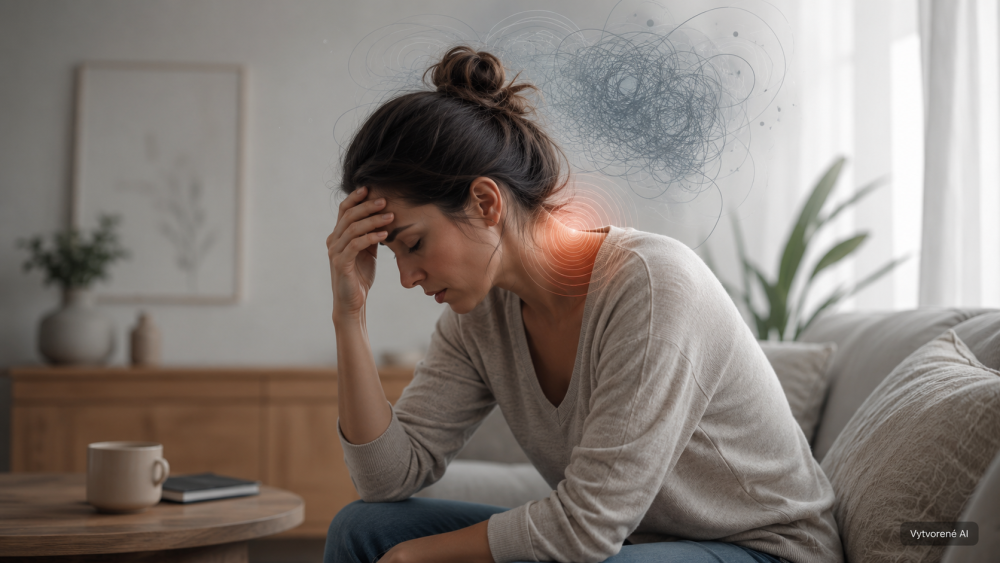
Stress and its effects on the body: signs of chronic stress and ways to manage it
Tension, constant worrying, irritability or feeling unable to switch off. Stress can affect how you feel, how you behave and what you notice in your body.
A short-term stress response is a natural part of life. Things can become more difficult when pressure persists, keeps returning or significantly disrupts sleep, relationships and daily activities.
This article explains the difference between acute and chronic stress, outlines possible signs and offers practical steps for coping with everyday pressure. It is not a guide to self-diagnosis or a recommendation for any particular product.
🧠 Short-term stress
A response to a particular challenge or demanding situation. It can increase alertness and prepare us to act.
⏳ Ongoing pressure
When stress persists, it may become harder to relax, concentrate and maintain your usual daily routine.
🌿 Everyday habits
Sleep, suitable physical activity, regular meals, breaks and contact with others are basic elements of looking after yourself.
🤝 Support matters
If the pressure feels beyond what you can manage, you do not have to face it alone. Talking to someone you trust or a professional is a reasonable step.
What is stress, and why does it happen?
Stress is a natural response to a situation we perceive as demanding, uncertain or threatening. It relates to what is happening around us, but also to our experiences, the support available to us and our current capacity to cope.
The stress response involves the nervous and hormonal systems. As the body prepares to respond, we may notice increased alertness, muscle tension, a faster heartbeat or changes in breathing.
Feeling tense before an exam, a presentation or an important task can be normal. What also matters is how intense the pressure is, how long it lasts and how much it interferes with everyday life.
People respond differently. Something one person finds manageable may feel very demanding to someone else. This is not a measure of personal strength or worth.
Acute and chronic stress: what is the difference?
Acute stress
This occurs in connection with a particular situation, such as an exam, an argument, a work deadline or an unexpected event.
Tension usually eases gradually once the situation has passed. After a particularly serious event, however, difficulties may persist and deserve attention.
Chronic stress
This is pressure that continues over time or repeatedly returns. It may be linked to an excessive workload, uncertainty or ongoing family difficulties.
You may feel unable to switch off, while responsibilities begin to exceed your available energy and resources.
Chronic stress cannot be identified from a single symptom or an exact number of days. The overall pattern, circumstances and effect on daily functioning all matter.
What can cause stress?
Stress often comes from several pressures happening together rather than one isolated event. Even a positive change can bring new demands and uncertainty.
Work and education
- too many tasks and tight deadlines,
- unclear expectations or limited support,
- worries about results, exams or job security,
- frequent demands to be available outside working hours.
Relationships and caring responsibilities
- conflict or loneliness,
- ongoing care for a family member,
- separation or losing someone close,
- feeling that all the responsibility rests with you.
Uncertainty and life changes
- financial difficulties,
- moving home or changing jobs,
- concerns about health,
- situations beyond your control.
Everyday overload
- too little time to rest,
- constant notifications and information overload,
- too many commitments at once,
- a demanding routine without enough support.
The word “stress” is also used in biology and mechanics. This article focuses on psychological pressure and the body's stress response; different technical terms should not be treated as interchangeable.
What are the possible signs of chronic stress?
Stress can show up in emotions, physical sensations and behaviour. Not everyone experiences the same difficulties, and their intensity may change over time.
| Area | Possible signs during stressful periods |
|---|---|
| Emotions | Tension, irritability, worry, feeling overwhelmed or finding it difficult to relax. |
| Concentration | Distractibility, forgetfulness, indecision or repeatedly thinking about problems. |
| Sleep | Difficulty falling asleep, waking during the night or changes in your sleep routine. |
| Muscles and head | Muscle tension, discomfort around the neck and shoulders or headaches. |
| Digestion | Stomach discomfort and changes in appetite or bowel habits. |
| Heartbeat and breathing | Noticing a faster heartbeat or changes in breathing during a tense situation. |
| Behaviour | Avoiding people, putting off tasks or turning to alcohol or cigarettes more often. |
These signs can have other causes. Do not automatically attribute new, severe, persistent or worsening symptoms to stress.
How can stress affect the body?
Stress and sleep
Thinking about responsibilities and feeling tense can make it harder to wind down in the evening. After a poor night's sleep, the next day's demands may feel more difficult to manage. Pay attention not only to how long you sleep, but also to your routine and how you feel during the day.
Stress and muscle tension
In a tense situation, you may notice raised shoulders, a clenched jaw or a stiff neck. Changing position, taking a break or moving gently may feel comfortable. Repeated or significant pain, however, deserves assessment in its own right.
Stress and digestion
Some people experience an unsettled stomach under pressure, while others lose their appetite or eat more than usual. Digestive symptoms have many possible causes, so ongoing problems should not be explained solely by emotional strain.
Stress, palpitations and breathing
Your heartbeat and breathing may speed up during a stress response. However, feeling your heart race does not establish the cause. New or recurring symptoms are worth discussing with a healthcare professional.
If they begin suddenly or occur with fainting or a rapidly worsening condition, seek emergency medical help.
How can you manage stress in everyday life?
No single technique suits everyone. A useful approach is to combine small, realistic changes while addressing the source of the pressure wherever possible.
🌙 A regular routine
Make time for sleep, meals, responsibilities and leisure. Start with one change you can maintain even during a demanding week.
🚶 Suitable physical activity
Choose an activity that fits your abilities and health. This could be walking, gentle exercise or another form of movement you enjoy.
🍽️ Food and fluids
Remember regular meals and fluids, including on busy days. Notice whether a high caffeine intake makes tension or sleep difficulties worse.
📱 Fewer interruptions
If notifications and messages feel overwhelming, set aside specific times to check them. Short periods without your phone can create space to focus and rest.
🤝 Connection with others
Tell someone you trust what you need: a listening ear, advice or help with a particular responsibility.
🗓️ Realistic planning
Break larger tasks into smaller steps. Decide what needs to happen today, what can wait and where you could ask for help.
Sometimes the most important change is reducing your workload, arranging support or adjusting expectations. Not every source of stress can be resolved through personal habits alone.
Calm breathing without forcing it
If it feels comfortable, sit down for a moment and allow your breathing to become calm and regular. You do not need to take the deepest possible breaths or hold your breath. Stop the exercise if it causes discomfort or dizziness.
Breathing and relaxation techniques can be part of managing tension, but they do not replace addressing the source of the pressure or seeking professional support.
Alcohol and nicotine as ways of coping
If you are turning to them more often, consider it a sign that you may need more support. Alcohol and smoking are not suitable long-term solutions to stress.
Small practical steps for a demanding day
- Name the pressure: write down what is occupying your mind most today.
- Choose one priority: identify the next manageable step.
- Take a break: briefly change your surroundings or position.
- Check your basic needs: food, fluids, rest and suitable movement.
- Reach out to someone: you do not have to wait until you are exhausted.
- Postpone one non-essential task: make some genuine room to pause.
This list is not a treatment plan or a promise of immediate relief. Choose only what is realistic for your circumstances.
When should you seek professional support?
You do not have to wait several weeks or until you are completely exhausted to speak to a professional. It is also appropriate to ask for help when you are unsure what is happening.
Speak to a doctor or psychologist if:
- your usual ways of coping are no longer enough,
- difficulties disrupt sleep, work, education or relationships,
- symptoms persist or worsen,
- you experience repeated episodes of intense anxiety,
- you increasingly use alcohol or other substances to manage tension,
- you have new or unexplained physical symptoms.
A doctor can assess possible physical causes of your symptoms. A psychologist or psychotherapist can help you explore sources of stress and appropriate ways to manage them.
When is immediate action needed?
Sudden severe chest pain or pressure, significant breathlessness, loss of consciousness, sudden difficulty speaking or weakness on one side of the body require emergency medical help.
Do not assume these symptoms are caused by stress or wait to see whether rest or a breathing exercise will resolve them.
Frequently asked questions about stress
What are the most common signs of stress?
Stress may be accompanied by tension, irritability, feeling overwhelmed, difficulty concentrating or sleeping, muscle tension or digestive discomfort. These signs can also have other causes and do not establish stress as the cause on their own.
What is the difference between acute and chronic stress?
Acute stress is linked to a particular situation and is usually short-lived. Chronic stress involves pressure that persists or repeatedly returns. Its intensity and effect on everyday functioning are important.
Can stress cause physical symptoms?
Yes. Stress may be accompanied by tense muscles, headaches, stomach discomfort or a faster heartbeat. However, new, severe or worsening symptoms should not automatically be attributed to stress.
What can I try when I feel temporarily tense?
If the situation allows, take a break, go for a short walk, breathe calmly or talk to someone you trust. The effect varies from person to person, and ongoing difficulties also call for attention to the source of the pressure.
When should I seek professional support?
Seek support when stress feels difficult to manage, symptoms persist or worsen, or sleep, work, education or relationships are affected. You can ask for help earlier too; you do not need to wait until you are exhausted.
What should you remember?
Stress is a natural response, but ongoing pressure deserves attention. Notice what contributes to it, how it affects your day and what support is available.
Start with small, realistic steps. If difficulties persist or feel beyond what you can manage, speak to a professional.
Sources and further information
Educational information: This article provides general information and does not replace individual medical assessment, diagnosis or treatment. It is not intended to determine the cause of specific health symptoms.