

 Slovensky (EUR)
 Česky (CZK)
 Magyar (HUF)
 Slovenščina (EUR)
 Deutsch (EUR)


KINGRAY · EIGHT B VITAMINS
B vitamins: benefits, food sources and supplement comparison
What is the difference between B complex and vitamin B12? B12 is a single vitamin, whereas B complex describes a combination of several B vitamins. Not every product contains all eight, and a higher dose does not automatically mean greater benefit. This guide covers their roles, food sources, practical questions and a comparison of specific formulas. [3]
You asked us: 20 questions about B vitamins
01 · Which B vitamin is best for tiredness and fatigue?
B2, B3, B5, B6, folate and B12 contribute to the reduction of tiredness and fatigue. There is no single best choice for everyone: the cause of fatigue and any deficiency matter. Extra B12 has not been shown to boost energy when intake is already adequate. [1], [3]
02 · How quickly do B vitamins help with fatigue?
A response within one or two weeks cannot be promised across the board. When a confirmed B12 deficiency is treated, improvement depends on its cause, severity and treatment; some symptoms take months to improve. This does not predict the effect of an ordinary B-complex or explain fatigue without deficiency. [3], [9]
03 · Can low B vitamins cause severe sleepiness and weakness?
B12 or folate deficiency can lead to anaemia and pronounced fatigue. Sleepiness and weakness alone do not confirm a deficiency. Persistent symptoms need medical assessment. [3], [8]
04 · Which B vitamin supports mental performance?
Pantothenic acid, or B5, contributes to normal mental performance. This authorised claim concerns normal function; it does not promise enhanced concentration beyond normal levels or treatment for burnout. [1]
05 · Why am I still tired while taking a B-complex?
Fatigue may have another cause, and taking a supplement does not establish that a deficiency has been corrected. B12 absorption can be affected by certain conditions or medicines. Seek assessment for persistent symptoms instead of automatically increasing the dose. [3], [9]
06 · Do B1, B6 and B12 repair nerves or relieve back pain?
These vitamins contribute to the normal functioning of the nervous system. This does not mean an ordinary supplement treats back pain or repairs damaged nerves. Treating a confirmed deficiency is a different situation; prolonged excessive B6 intake can itself damage nerves. [1], [3], [4]
07 · Does a B-complex help with anxiety and stress?
Several B vitamins contribute to normal psychological function. A B-complex is not a replacement for anxiety treatment. Correcting a nutrient deficiency and treating a mental health condition are different matters. [1]
08 · What can vitamin B6 deficiency cause?
It can be associated with anaemia, skin inflammation, cracked corners of the mouth and mood changes. These signs have other causes too, and mild deficiency may produce no symptoms. A single symptom cannot establish the diagnosis. [10]
09 · Is B6 a remedy for muscle cramps and eyelid twitching?
It is not a universal treatment for cramps or twitches. Eyelid twitching often relates to tiredness, stress or caffeine; persistent twitching or associated weakness merits assessment. A magnesium–B6 combination does not establish that a lack of these nutrients is the cause. [15]
10 · Can B12 deficiency affect memory or cause brain fog?
Yes, B12 deficiency can cause cognitive and neurological problems, even without anaemia. Not all forgetfulness means low B12. Supplementing adequate intake should not be presented as proven dementia prevention. [3]
11 · Does a B-complex cause weight gain?
Vitamins themselves do not supply calories. A drink or other preparation may nevertheless contain sugar. It is not accurate to promise that a B-complex increases everyone's appetite; weight changes depend on wider circumstances. [2], [11]
12 · Which B vitamin increases appetite?
Thiamin, or B1, deficiency can cause loss of appetite, and treating the deficiency may help resolve this. That does not make B1 an appetite stimulant for everyone. A child's persistent poor appetite needs paediatric advice, not a high-dose adult product. [11]
13 · Can I take a B-complex while losing weight?
It may help address inadequate nutrient intake when there is a reason to supplement. A role in metabolism does not demonstrate that a supplement burns fat or causes weight loss. A high NRV percentage does not guarantee greater energy expenditure. [1], [2]
14 · How does niacin affect cholesterol?
Pharmacological doses of nicotinic acid can alter blood lipids, but carry significant risks and are not ordinary B-complex use. Adding it to statins did not deliver the anticipated cardiovascular event prevention benefit. Do not self-treat cholesterol with high-dose B3; nicotinamide is not interchangeable with nicotinic acid for this effect. [12]
15 · Which foods provide vitamin B12?
Fish, meat, offal, eggs and dairy are natural sources; fortified plant foods can also provide B12. A vegan diet needs a reliable source of B12. Unfortified plant foods are not reliable sources. [3]
16 · Does biotin improve hair growth or stop hair loss?
Biotin contributes to the maintenance of normal hair, but high doses for hair loss without deficiency are not well supported. More does not necessarily mean better. Biotin can distort some blood tests: tell the clinical team the product, dose and last use; they should decide whether a pause is necessary. [1], [5]
17 · Why is folic acid important before pregnancy?
Adequate intake helps reduce neural tube defect risk. The usual recommendation is 400 µg folic acid daily before conception and through the first 12 weeks; higher-risk situations require clinician-directed dosing. Not every product containing folate is suitable in pregnancy: the full formula and its warnings matter. [6], [7]
18 · Can a B-complex treat acne or eczema?
B2, niacin and biotin contribute to the maintenance of normal skin. This does not make a B-complex a treatment for acne or eczema. Dermatology guidelines consider evidence insufficient to generally recommend vitamin supplements for acne. [1], [14]
19 · Why is my urine bright yellow after a B-complex?
Excreted riboflavin, or B2, often accounts for the colour; this change alone after taking it is usually harmless. It does not prove that every vitamin excess is safely excreted. Blood in urine, pain or other symptoms need a different explanation. [13]
20 · Can you take too many B vitamins?
Yes: water solubility does not make any dose safe, and B12 is stored in the body. EFSA sets an adult upper intake level for B6 of 12 mg a day from all sources; children's limits are lower. Stop a B6 supplement and seek medical advice if tingling, burning or numbness develops during use, as excess can damage peripheral nerves. [3], [4]
KINGRAY nutraceuticals with B vitamins
A comparison of selected formulas using their declared daily-serving amounts. This is not a ranking of effectiveness or a recommendation to take the products together. Only declared B vitamins are listed; use each product link for its complete ingredients and warnings.
All 8 B vitamins · each at 100% NRV
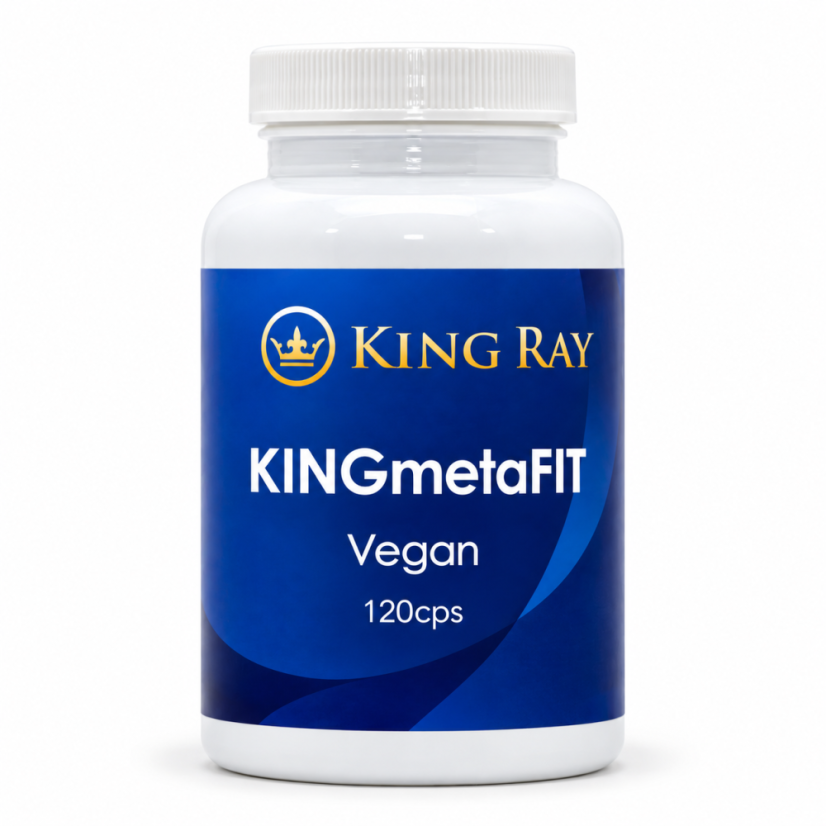
KINGmetaFIT
120 capsules
Daily serving: 2 capsules
All eight B vitamins, each at 100% NRV, with berberine and other ingredients. Not suitable for children or pregnant or breastfeeding women. Discuss use with a doctor if taking medicines, especially diabetes medication.
Ingredients, directions and warnings →B5 + B6 + folate + B12
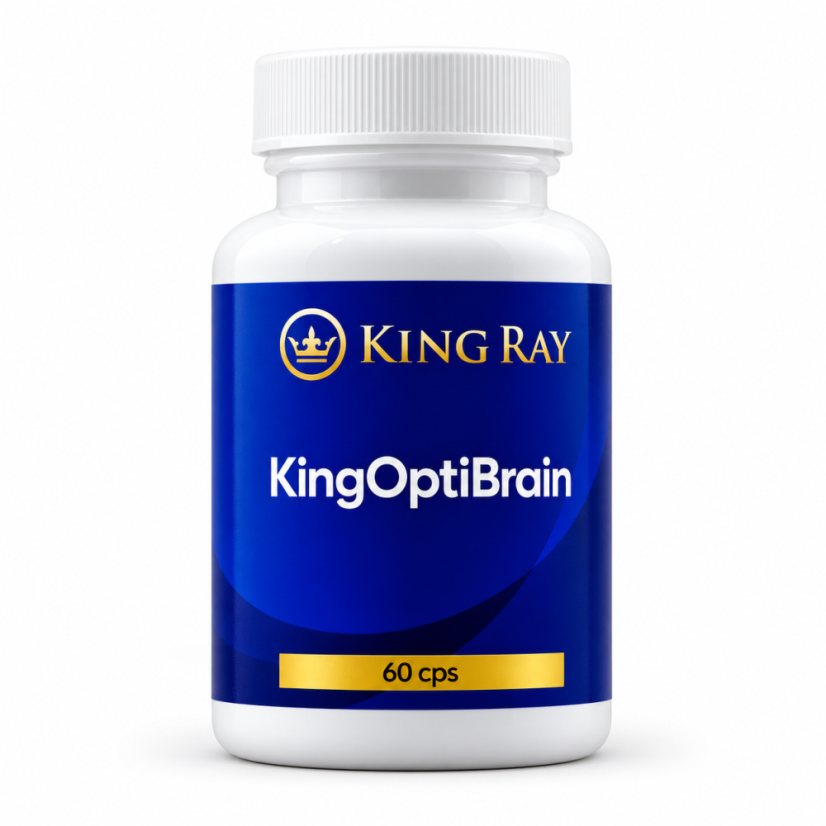
KingOptiBrain
60 capsules
Daily serving: 2 capsules
B5, B6, folate and B12 with citicoline, phosphatidylserine, zinc and other ingredients. Contains soya and green tea. For ages 18+, with food; not during pregnancy or breastfeeding. Do not combine with other green-tea products on the same day.
Ingredients, directions and warnings →Folate + B12 in an iron formula
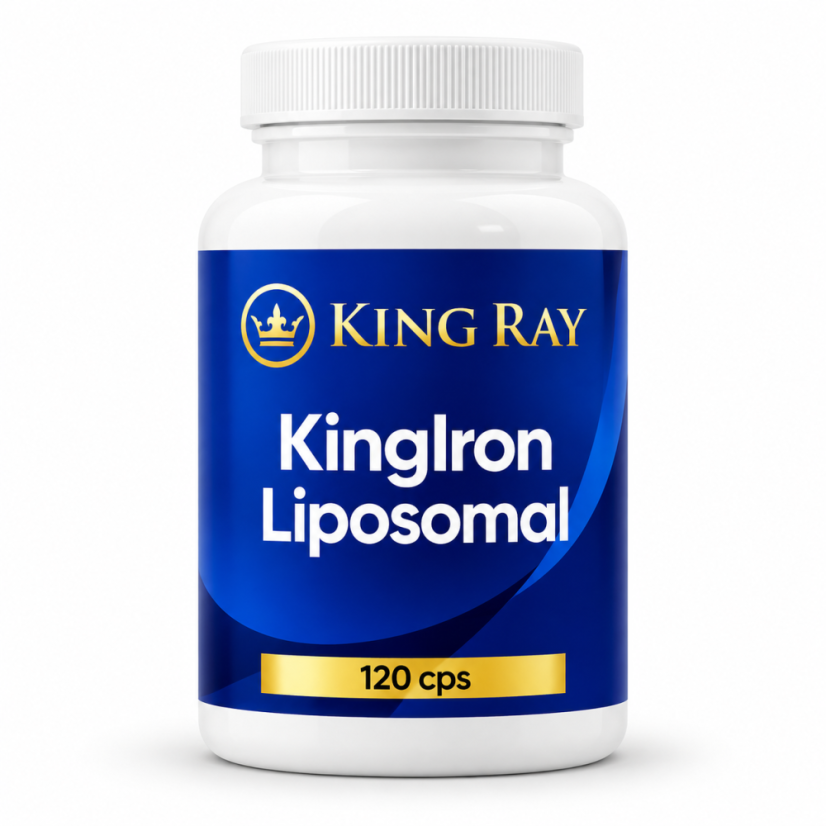
KING Iron Liposomal
120 capsules
Daily serving: 1 capsule
Folate as 5-MTHF and B12 as methylcobalamin, with vitamin C and approximately 11 mg iron. Not suitable for children, pregnant or breastfeeding women, or people with haemochromatosis.
Ingredients, directions and warnings →More nutraceuticals with declared B vitamins
B vitamins listed in the composition table; this is not the complete formula. Read the individual product warnings before choosing. These supplements are not intended for children, pregnant or breastfeeding women.
KINGendoPRO
Daily serving: 2 capsules
B9 80 µg · B12 50 µg
Contains iron; unsuitable in haemochromatosis. Consult a doctor about medicines or clotting disorders.
Ingredients, directions and warnings →KingMind Day
Daily serving: 1 capsule
B6 0.47 mg · B9 67 µg · B12 0.83 µg
Age 18+, in the morning with food; contains green tea. Do not take on an empty stomach or with other green tea products on the same day.
Ingredients, directions and warnings →KingCell Harmony
Daily serving: 1 capsule
B9 67 µg · B12 0.83 µg
Contains soya, green tea and astaxanthin. Take with food and check the product’s restrictions on combining ingredients.
Ingredients, directions and warnings →KingWoman Balance
Daily serving: 2 capsules
B6 3 mg
Age 18+; contains plant extracts including sources of isoflavones. Seek advice with hormone therapy or hormone-sensitive conditions.
Ingredients, directions and warnings →KING Joint Max Synergy
Daily serving: 1 capsule
B6 2 mg · B9 200 µg · B12 50 µg
Also contains vitamin K2. Seek medical advice if taking warfarin or other medicines.
Ingredients, directions and warnings →Swedish Nutra and Swedish Collagen
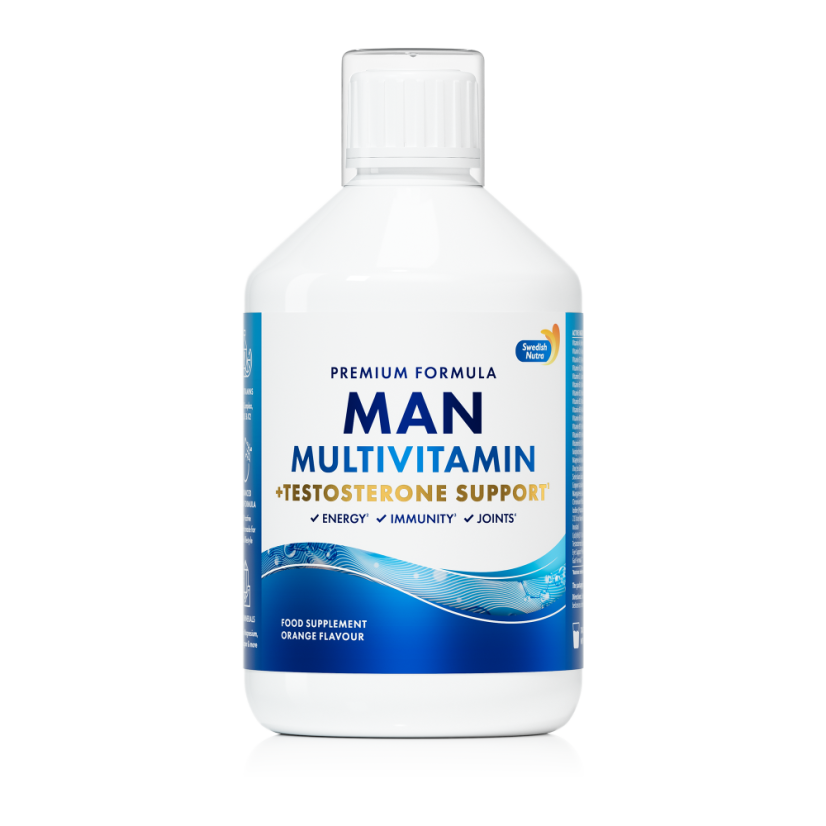
Swedish Nutra Man
500 ml
Daily serving: 15 ml
All eight B vitamins. Contains 50 mg caffeine per 15 ml, sugar and a sweetener. Not suitable for children or pregnant or breastfeeding women.
Ingredients, directions and warnings →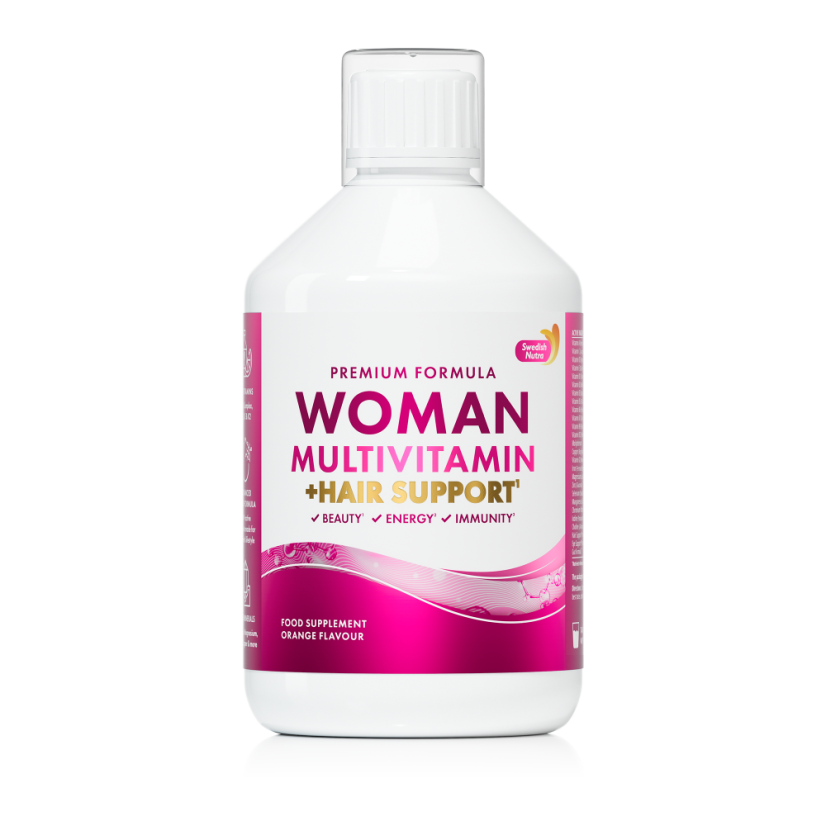
Swedish Nutra Woman
500 ml
Daily serving: 15 ml
All eight B vitamins. Contains 50 mg caffeine and 5 mg biotin per 15 ml, sugar and a sweetener. Not suitable for children or pregnant or breastfeeding women.
Ingredients, directions and warnings →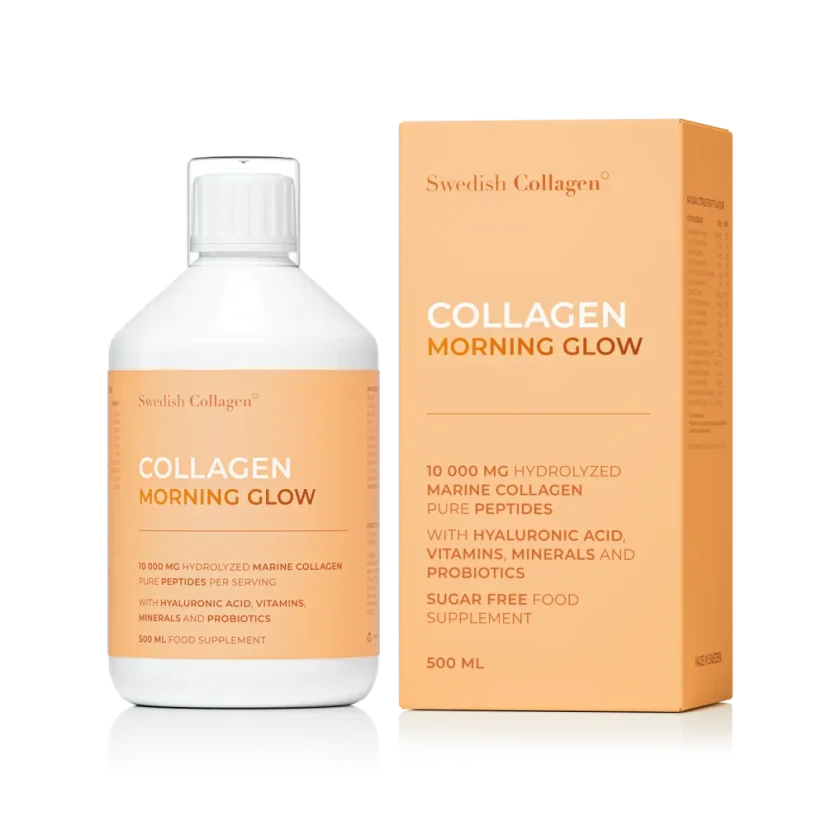
Swedish Collagen Morning Glow
500 ml
Daily serving: 25 ml
Six declared B vitamins; a collagen drink with 30 mg caffeine and 5 mg biotin per 25 ml. Contains fish and sweeteners. Not suitable for children or pregnant or breastfeeding women.
Ingredients, directions and warnings →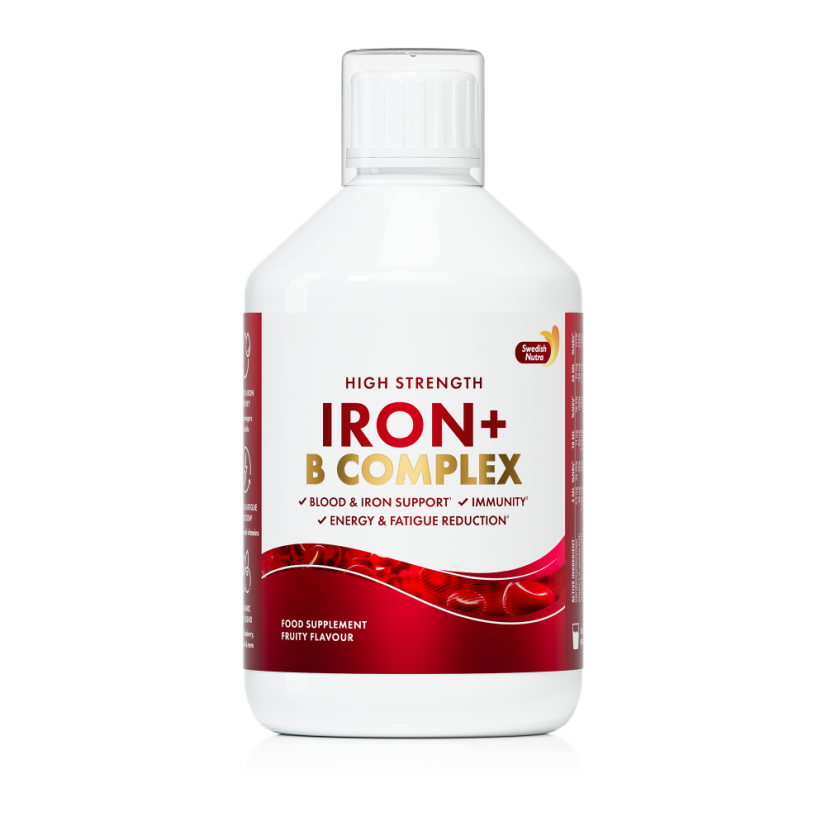
Swedish Nutra Iron + B-Complex
500 ml
Daily serving: 20 ml
Five B vitamins and 22 mg iron per 20 ml for ages 16+. Children’s directions differ. Contains fructose and a sweetener; do not choose iron solely for the B12 content.
Ingredients, directions and warnings →Do not exceed the recommended daily serving. Supplements do not replace a varied, balanced diet or healthy lifestyle; keep them out of reach of young children. Choose according to the whole formula and your health circumstances, not the largest number on a label.
The eight B vitamins: what do they do and where are they found?
These selected authorised health claims apply to the individual vitamin. For a product, they may only be used if it meets the conditions for being a source of that nutrient; they are not claims about treating disease. [1]
B1 · thiamine
Contributes to normal functioning of the nervous system and the normal function of the heart.
Examples of food sources: Wholegrains, peas, nuts
100% NRV: 1.1 mg
B2 · riboflavin
Contributes to the reduction of tiredness and fatigue and the maintenance of normal vision.
Examples of food sources: Milk, yoghurt, eggs, mushrooms
100% NRV: 1.4 mg
B3 · niacin
Contributes to normal energy-yielding metabolism and the maintenance of normal skin.
Examples of food sources: Meat, fish, cereals
100% NRV: 16 mg
B5 · pantothenic acid
Contributes to normal mental performance and the reduction of tiredness and fatigue.
Examples of food sources: Eggs, poultry, mushrooms, avocado
100% NRV: 6 mg
B6 · vitamin B6
Contributes to normal red blood cell formation and the regulation of hormonal activity.
Examples of food sources: Poultry, fish, oats, bananas
100% NRV: 1.4 mg
B7 · biotin
Contributes to the maintenance of normal hair and normal macronutrient metabolism.
Examples of food sources: Eggs, nuts, seeds
100% NRV: 50 µg
B9 · folate
Contributes to normal blood formation and maternal tissue growth during pregnancy.
Examples of food sources: Leafy vegetables, broccoli, pulses
100% NRV: 200 µg
B12 · cobalamins
Contributes to normal functioning of the nervous system and normal red blood cell formation.
Examples of food sources: Meat, fish, eggs, dairy products; foods fortified with B12
100% NRV: 2.5 µg
NRV means the nutrient reference value used for adult food labelling, not a personal intake recommendation or an upper safety limit. 1 mg = 1,000 µg. The foods listed are examples, not a ranking by nutrient content. [2], [3], [7]
Simply put: B vitamins help the body use nutrients, but do not supply calories themselves. Being water-soluble does not make unlimited doses safe; the body can also store substantial reserves of B12.
How should you read vitamin forms and label amounts?
Are methylcobalamin, methylfolate and P-5-P always better?
Not automatically. There is no evidence that B12 absorption from supplements generally differs by vitamin form. Having a common MTHFR variant does not mean the body cannot process folic acid. P-5-P is a coenzyme form of B6, but an ‘active form’ does not remove the risks of excessive intake. [3], [4], [6]
The upper limit is not a recommended daily dose. Two servings of 8 mg B6 provide 16 mg, exceeding the adult EFSA limit even before food is counted. [2], [4]
Scientific sources and comparison data
The references in the answers lead to the sources below. Product data were compared on the relevant language pages on 10 November 2026; these are declared amounts, not laboratory measurements. If details differ, confirm the label of the specific pack with the seller.
- Regulation (EU) No 432/2012 — authorised health claims and conditions of use
- Regulation (EU) No 1169/2011, Annex XIII — nutrient reference values
- NIH ODS — B12: intake, deficiency, forms and medicine interactions
- EFSA (2023) — tolerable upper intake level for vitamin B6
- NIH ODS — biotin and laboratory test interference
- CDC — MTHFR and folic acid
- NHS — B vitamins, food sources and folic acid in pregnancy
- NIH ODS — folate and risks of excessive intake
- NICE NG239 — B12 deficiency treatment and symptom improvement
- NIH ODS — vitamin B6 deficiency
- NIH ODS — thiamin and B1 deficiency
- NIH ODS — niacin, blood lipids and high-dose risks
- NIH ODS — riboflavin, excretion and urine colour
- AAD — acne guidelines and limits of evidence for vitamins
- NHS — twitching eyes and muscles