

 Slovensky (EUR)
 Česky (CZK)
 Magyar (HUF)
 Slovenščina (EUR)
 Deutsch (EUR)


Zinc: Benefits, Dosage and How to Choose a Supplement

KINGRAY GUIDE · VITAMINS AND MINERALS
Zinc: Benefits, Dosage and How to Choose a Supplement
What does zinc do, which foods contain it and how can you compare supplements? A clear guide to authorised benefits, daily intake, zinc forms and precautions.
Zinc benefits
Zinc is an essential trace element. The following health claims are authorised in the EU for foods that qualify as a source of zinc. They refer to zinc, not automatically to every ingredient in a blend.
Immunity and cell protection
Zinc contributes to the normal function of the immune system and to the protection of cells from oxidative stress.
Skin, hair, nails and bones
Zinc contributes to the maintenance of normal skin, hair, nails and bones.
Fertility and testosterone
Zinc contributes to normal fertility and reproduction and to the maintenance of normal testosterone levels in the blood.
Cognitive function and vision
Zinc contributes to normal cognitive function and to the maintenance of normal vision.
Metabolism
Zinc contributes to normal acid-base metabolism, carbohydrate metabolism, macronutrient metabolism, metabolism of fatty acids and metabolism of vitamin A.
DNA, proteins and cells
Zinc contributes to normal DNA synthesis and protein synthesis and has a role in the process of cell division.
Maintaining normal testosterone levels does not mean increasing them. The skin claim does not promise acne treatment, and the hair claim does not guarantee that hair loss will stop.
Zinc in food
Zinc is found in meat, seafood, cheese and other dairy products. Plant sources include pulses, nuts, seeds and wholegrain cereals.
Phytates in plant foods reduce zinc absorption. Soaking, sprouting and fermentation can reduce phytate content. Check the label for the zinc content of fortified foods.
Dosage and NRV
The nutrient reference value for labelling is 10 mg zinc = 100% NRV. This is not an individual prescription or an amount everyone must obtain from a supplement.
EFSA population reference intakes depend on dietary phytate: 7.5–12.7 mg daily for adult women and 9.4–16.3 mg for adult men. During pregnancy, 1.6 mg is added to the corresponding value for women; during breastfeeding, 2.9 mg is added.
These ranges correspond to phytate intakes of 300–1,200 mg daily. They cover food and supplements together, not a freely chosen supplement dose. Children have age-specific reference values.
Zinc deficiency
Possible signs of deficiency include altered taste, reduced appetite, impaired wound healing and hair loss. The same symptoms can have other causes; a symptom alone does not confirm deficiency.
Pay attention to zinc intake with a restricted or predominantly plant-based diet or with malabsorption. Blood zinc is assessed alongside diet and health status; infection can affect results. Seek medical advice for persistent symptoms.
Forms and choosing a supplement
Compare the milligrams of zinc itself in the full recommended daily serving, rather than the weight of its compound. Bisglycinate, picolinate, citrate and gluconate describe zinc forms. The term ‘chelated zinc’ does not automatically mean the best choice for everyone.
Add up zinc from multivitamins, beauty formulas and other supplements. For example, 10 mg + 15 mg equals 25 mg from supplements before food is included. This example is not a recommendation to combine them.
Check the intended age group, complete ingredients, allergens, contraindications and directions.
Product comparison
Our own KINGRAY nutraceuticals appear first. The order is not an efficacy ranking. Choose according to the whole formula, required intake and warnings, rather than the highest number alone.
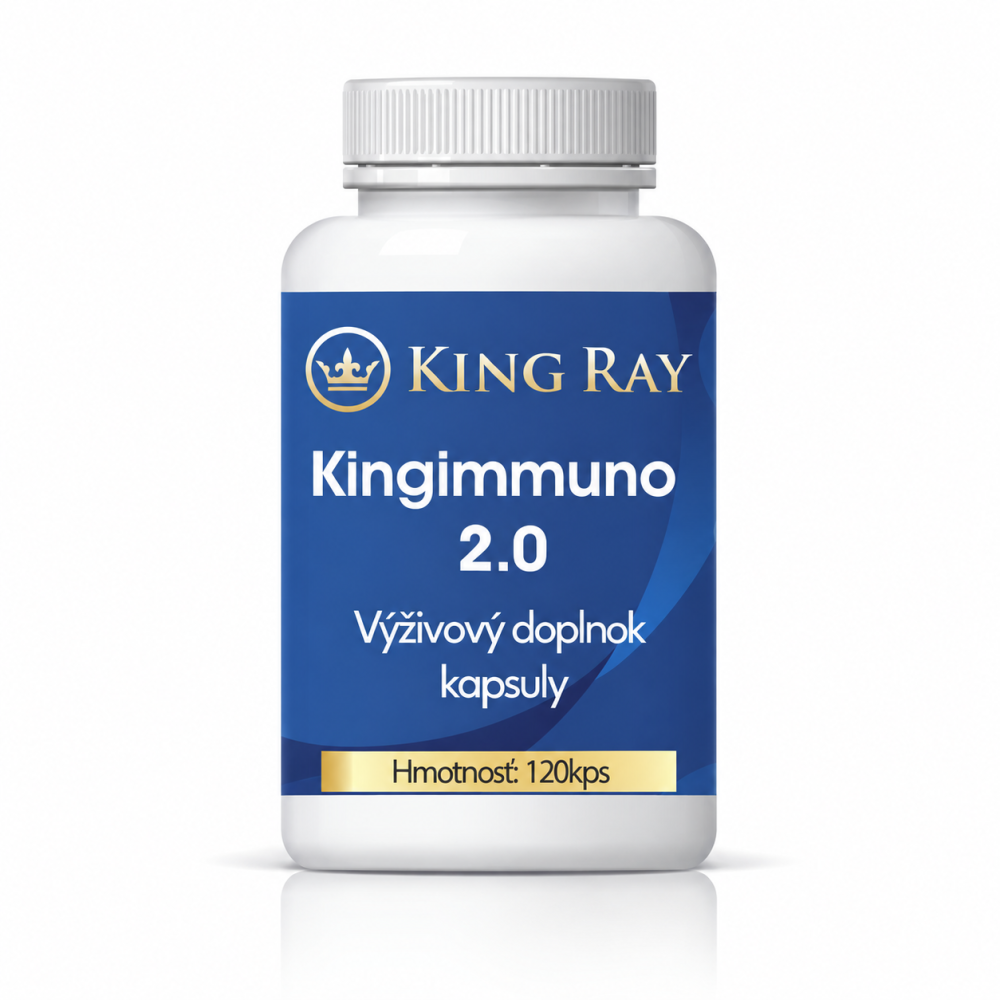
KINGimmuno 2.0
10 mg zinc · 100 % NRV
Recommended daily serving: 2 capsules
120 capsules · 60 days, approximately 2 months
A combination with vitamins C and D and selenium. Not intended for pregnant or breastfeeding women.
View product, ingredients and warnings →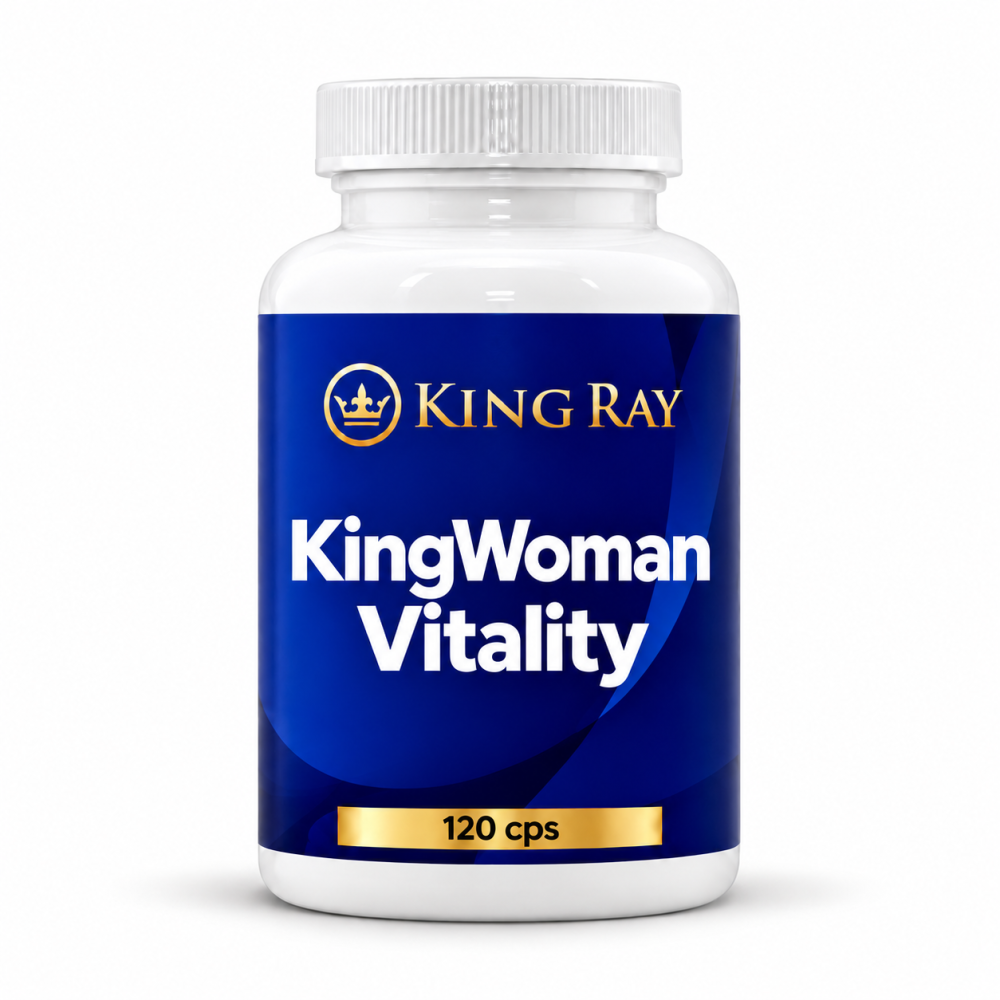
KingWoman Vitality
7.5 mg zinc · 75 % NRV
Recommended daily serving: 2 capsules
120 capsules · 60 days, approximately 2 months
A formula for women with zinc, selenium and vitamins D3 and K2. Assess suitability using the full ingredients.
View product, ingredients and warnings →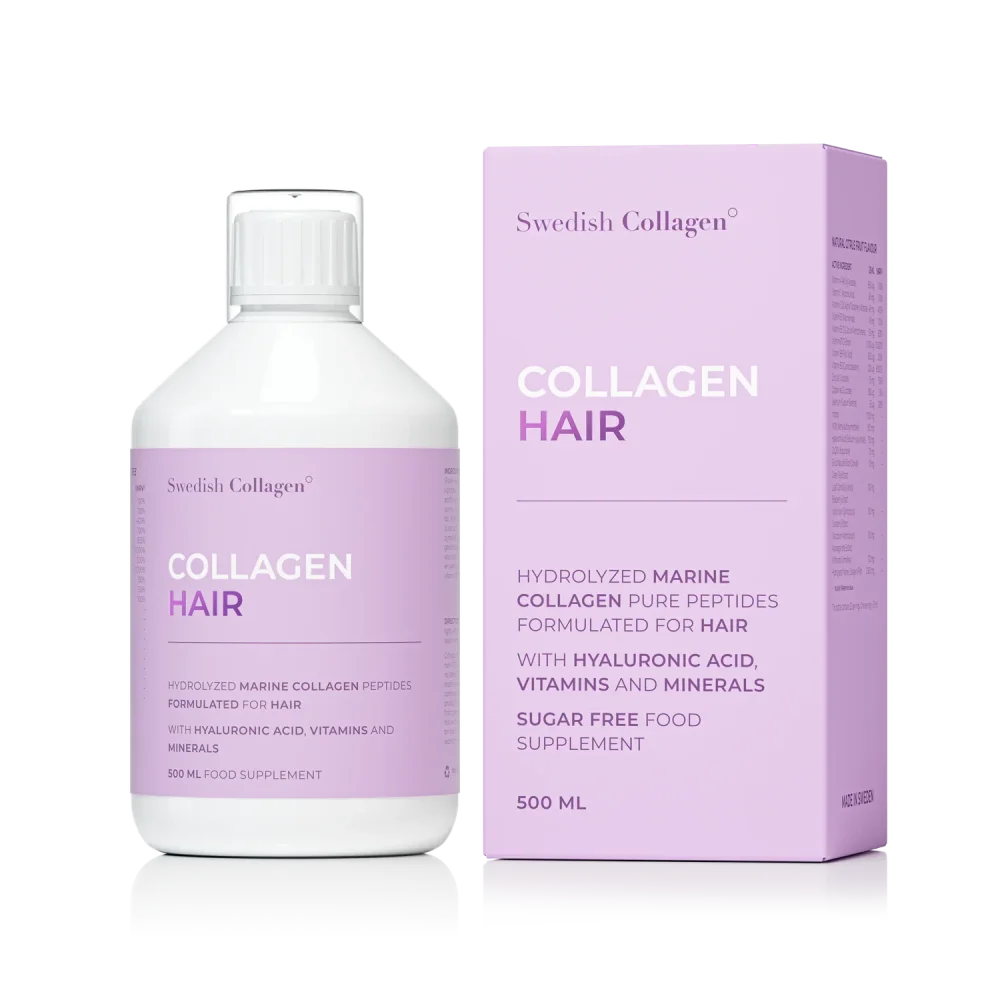
Swedish Collagen HAIR
15 mg zinc · 150 % NRV
Recommended daily serving: 25 ml
Contains fish, green tea extract and caffeine. Follow the specific label warnings.
View product, ingredients and warnings →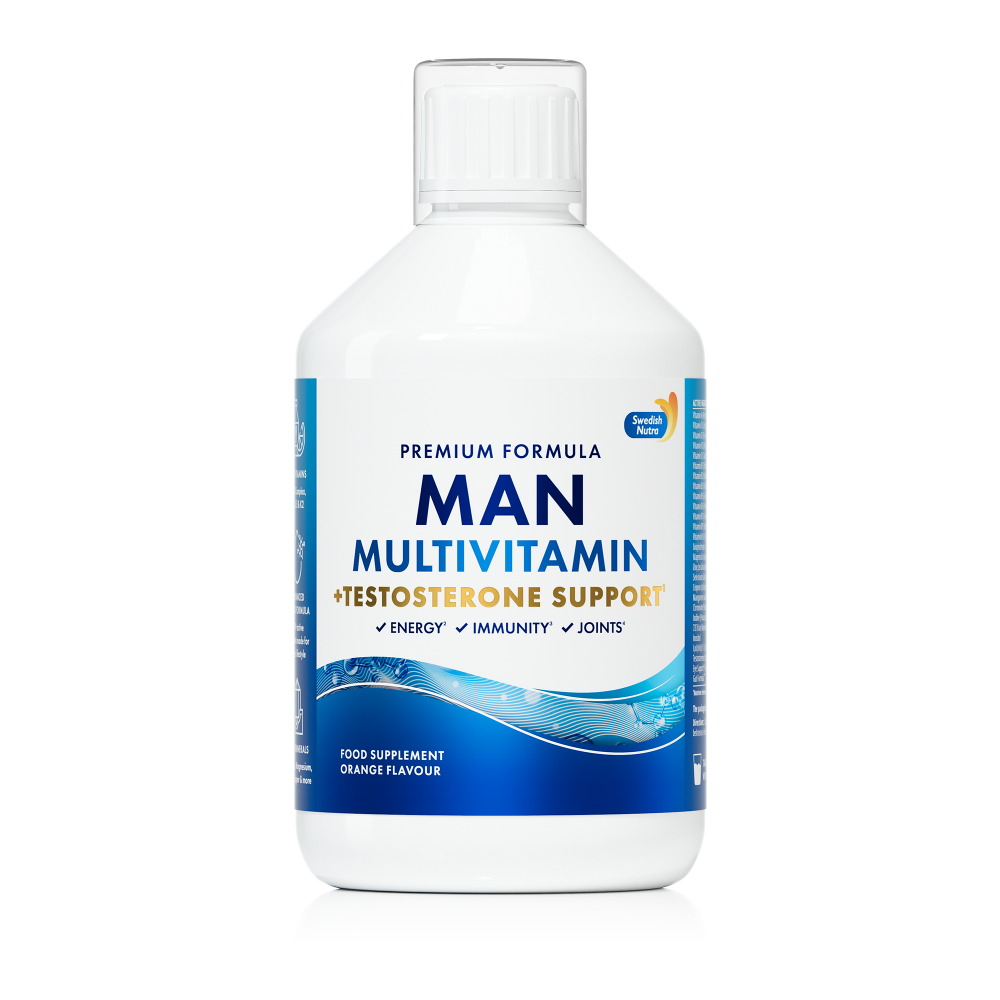
Swedish Nutra Man Multivitamin
10 mg zinc · 100 % NRV
Recommended daily serving: 15 ml
For adults aged 18 and over. Contains 50 mg caffeine per daily serving, sugar and a sweetener. Unsuitable for children and pregnant or breastfeeding women.
View product, ingredients and warnings →
Swedish Nutra Woman Multivitamin
10 mg zinc · 100 % NRV
Recommended daily serving: 15 ml
For adults aged 18 and over. Contains 50 mg caffeine per daily serving, sugar and a sweetener. Unsuitable for children and pregnant or breastfeeding women.
View product, ingredients and warnings →Figures show zinc itself per daily serving. Do not automatically combine these products; their zinc amounts add up.
Safety and medicines
The European tolerable upper intake level for adults is 25 mg zinc daily from all sources. It is not a target dose. Include food when adding up intake.
Excessive supplementation can cause digestive symptoms. Sustained high intake reduces copper absorption and can lead to copper deficiency. Automatically adding another mineral is not the solution.
Zinc can interact with certain antibiotics and penicillamine. Ask a pharmacist about the required interval for your specific medicine. Do not change treatment yourself.
Frequently asked questions
Is zinc a vitamin?
No. It is a mineral, specifically an essential trace element.
Does hair loss prove zinc deficiency?
No. There are many possible causes; this symptom alone is not sufficient.
Does 100% NRV mean everyone needs a supplement?
No. NRV is used for food labelling. Intake from food also matters.
Can I combine two zinc supplements?
First add up the zinc in their daily servings and assess why you would combine them.
Should I take zinc in the morning or evening?
Follow the product label. Ask a pharmacist if it causes nausea, and check spacing if you take medicines.
Is KINGimmuno 2.0 suitable during pregnancy?
It is not intended for pregnant or breastfeeding women. Choose a suitable supplement with your doctor.
Scientific sources
Food supplements do not replace a varied, balanced diet and a healthy lifestyle. Do not exceed the recommended intake. Consult a doctor or pharmacist when taking medicines, during pregnancy or breastfeeding, or for persistent symptoms. Keep out of reach of young children.