Powered by Smartsupp

Longevity & Biohacking

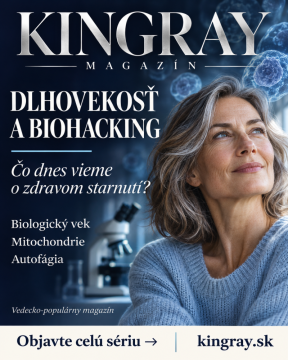
Healthy ageing is not about chasing a miracle elixir, but about preserving mobility, memory, strength, and independence for as long as possible. In the Longevity & Biohacking series, we explain what current science shows about cellular and bodily ageing clearly and without marketing hype. For every topic, we distinguish laboratory experiments from human clinical studies and highlight which everyday habits carry the strongest scientific support.

Longevity and biohacking: how can we age well?

Longevity and biohacking: how can we age well?

What can we influence as we age? Physical activity, diet, sleep and not smoking are everyday foundations for health. This guide to 12 topics helps you understand biological age, biohacking and the limits of longevity research.

A scientist examines a laboratory sample with a symbolic DNA motif in blue and gold.

Can You Lower Your Biological Age? Epigenetic Tests and Research

What does it mean if a test gives you a younger biological age? It is an estimate from a particular method, not the exact age of every organ. We explain biological age versus the pace of ageing, the CALERIE and DO-HEALTH findings, and the questions to ask before buying a test.


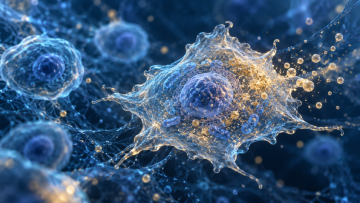
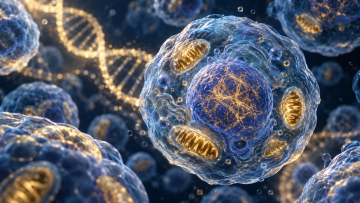
Illustration of a cell with a nucleus and mitochondria against a DNA background in blue and gold.

Why do we age? Cellular ageing and longevity research

Is ageing simply wear and tear in our cells? It also involves changes in DNA repair, cellular renewal and communication between tissues. We explain telomeres, senescence and autophagy, and examine what studies currently tell us about influencing these processes.


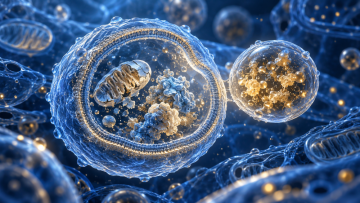
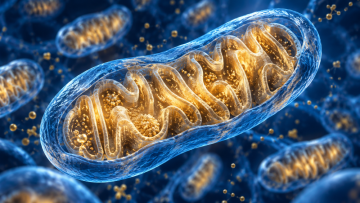
Illustration of a mitochondrion showing the folds of its inner membrane in blue and gold.

Mitochondria and ageing: cellular energy and research

Can mitochondria still adapt in older age? Yes. Exercise studies show changes in muscle mitochondrial function in older adults too. This article explains mitochondrial maintenance and compares evidence on exercise, photobiomodulation and substances under investigation, without equating laboratory findings with a longer life.


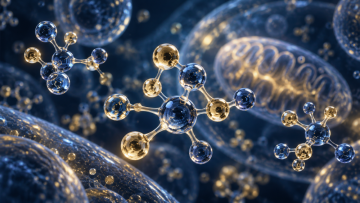
Symbolic molecular models with a mitochondrion in the background, in blue and gold.

NAD+, NMN and NR: differences and human studies

Do NMN and NR studies prove an extension of human lifespan? The clinical studies discussed here do not provide that evidence. They assess selected metabolic and functional outcomes. This guide explains how NAD+, NMN and NR differ, what the trials found and where their conclusions stop.


Ilustrace autofagie s buněčnými součástmi uzavřenými v autofagozomu a lysozomem vedle něj v modro-zlatých barvách.

Autophagy and fasting: how cellular recycling works

Does autophagy only start after 16 hours of fasting? Human studies have not established such a universal threshold. This overview explains normal cellular recycling, the difference between a gene marker and autophagic flux, and what research tells us about fasting, sleep and spermidine.


Senescent Cells and Senolytics

Senescent cells and senolytics: ageing research

Can senolytics extend human lifespan? The studies discussed here have not demonstrated this. This guide explains what senescent cells are, when they may help or harm, and what experiments with fisetin and dasatinib combined with quercetin actually found.


Telomeres and Telomerase

Telomeres and telomerase: what they reveal about ageing

Do longer telomeres mean a longer life? There is no such simple rule. This article explains the protective role of telomeres, their links with different diseases, and what exercise research and laboratory tests can tell us about ageing.


Epigenetic Reprogramming

Epigenetic reprogramming: what we know about cell rejuvenation

What are Yamanaka factors? They are regulatory factors used in experimental cell reprogramming. This article explains their role, what researchers have observed in the laboratory, and what still needs to be established before a change in cellular state can be considered a safe benefit for people.


Chronic Inflammation and Ageing

Chronic inflammation and ageing: what is inflammaging?

What does inflammaging mean? It refers to persistent low-grade inflammation studied in relation to ageing. This article explains why the cause matters, what blood tests can suggest and why a lower laboratory value alone does not prove a longer lifespan.

Next
%s ...
%s
%image %title %code %s
%s