

 Slovensky (EUR)
 Česky (CZK)
 Magyar (HUF)
 Slovenščina (EUR)
 Deutsch (EUR)


Curcumin, moringa and ashwagandha: how they differ and what to look for when choosing
PRACTICAL GUIDE · KINGRAY ADVICE
Curcumin, moringa and ashwagandha: how they differ and what to look for when choosing
When comparing botanical supplements, the name on the front of the packaging is only the starting point. The plant part, preparation, daily amount and additional ingredients also matter. This guide explains how to read labels and distinguish powders, extracts and standardised extracts.
A substance, a plant and a product preparation
Curcumin is a substance found in turmeric. Moringa and ashwagandha are plant names. Before comparing products, establish exactly what each one contains.
| Ingredient | What it means | What to check |
|---|---|---|
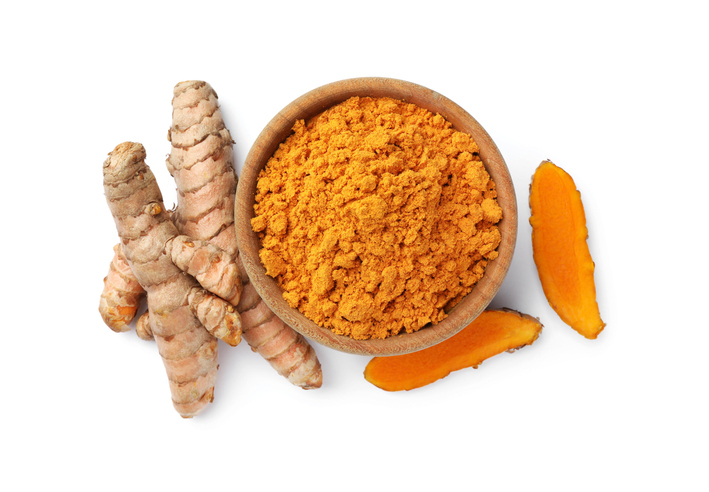
| Turmeric / curcumin | Turmeric comes from the rhizome of Curcuma longa. Curcumin is one of its curcuminoids. | Powder or extract, the amount of extract and curcuminoids, and any added piperine. |
| Moringa | Moringa oleifera; different plant parts have different compositions. | The plant part, such as leaf, the preparation and the amount per daily serving. |
| Ashwagandha | Withania somnifera; supplements may contain different botanical preparations. | Root or other plant parts, powder or extract, and any standardisation to withanolides. |
Remember: The same number of milligrams does not mean the same composition. For example, 500 mg of plant powder and 500 mg of extract are not automatically equivalent amounts.
Turmeric and curcumin: similar names, different contents
Turmeric rhizome is also used as a spice. Curcumin belongs to the curcuminoid group. Distinguish ground turmeric from an extract with a declared curcuminoid content.
Some preparations contain piperine or use a particular formulation. Findings about one formulation cannot automatically be applied to another.
On the label: Check whether the stated milligrams refer to the whole extract, curcuminoids or curcumin itself.
Moringa: start with the plant part
Look for the botanical name Moringa oleifera and the plant part used. Leaf powder, seeds and different extracts are not the same ingredient.
The name “moringa” alone is therefore insufficient to compare two products. Processing and the amount in the recommended daily serving also matter.
On the label: If only the plant name appears, ask the seller or manufacturer for a more detailed ingredient description.
Ashwagandha: root, extract and withanolides
Ashwagandha is the plant Withania somnifera. Labels may list root powder or an extract. Some extracts declare their content of withanolides, a group of compounds found in the plant.
The percentage of withanolides helps describe composition. A higher number does not, by itself, mean that a product is more suitable or better tolerated.
How to read the label step by step
Powder is ground plant material. An extract is obtained by extracting substances from that material. A standardised extract has a declared content of a particular substance or group of substances.
- Botanical name: identify the exact plant.
- Plant part: leaf, root, rhizome and seed are not interchangeable descriptions.
- Preparation: distinguish powder from extract.
- Daily serving: compare the amount in the full recommended daily serving, not just one capsule.
- Standardisation: check both the percentage and the substance it refers to.
- Other ingredients: read the full list, including combined extracts and excipients.
- Warnings: check restrictions and the manufacturer’s instructions.
Example calculation: A daily serving containing 200 mg of an extract standardised to 5% of a compound group provides 10 mg of that group. This illustrates the calculation; it is not a dosage recommendation or evidence of effectiveness.
An extraction ratio such as 10:1 also needs to be interpreted alongside the extract description. It does not, by itself, mean “ten times the effect”.
What does a reference to a scientific study mean?
A chemical analysis describes a sample’s composition. A laboratory experiment investigates a process under particular conditions. A clinical study examines a specific preparation, dose and outcome in a selected group of people.
Check whether the studied ingredient matches the product. The plant part, extract type, standardisation and daily amount may differ.
When comparing products: One study does not establish the effects of every product containing the same plant.
Safety: natural origin does not guarantee suitability
NCCIH highlights reports of liver injury associated with some curcumin preparations designed for increased bioavailability. A concentrated supplement is different from ordinary culinary use of a spice.
BfR advises that children, pregnant or breastfeeding women and people with liver disease should particularly avoid ashwagandha supplements. It also recommends caution for other groups.
If you take medication or have a chronic condition, discuss botanical supplements with a doctor or pharmacist before use. If you develop yellowing of the skin or eyes, or dark urine, stop taking the supplement and seek medical attention.
Frequently asked questions
Is curcumin the same as turmeric?
No. Turmeric is a botanical ingredient; curcumin is one of the substances it contains.
Is an extract always better than a powder?
No. They are different preparations. The word “extract” alone does not establish suitability or effectiveness.
What does standardisation mean?
It describes the declared content of a substance or group of substances in an extract. It does not, by itself, demonstrate a health benefit.
Is comparing milligrams enough?
No. Also compare the plant part, preparation, standardisation and amount in the full daily serving.
Can a supplement replace prescribed treatment?
No. A food supplement does not replace diagnosis or prescribed treatment.
References